Semi-truck wheel bearing problems can quickly turn from a maintenance concern into a serious roadside safety issue. Wheel bearings allow the wheels to rotate smoothly while supporting substantial vehicle and cargo weight. When lubrication breaks down, seals fail, or bearings become worn or improperly adjusted, excessive friction and heat can damage the entire wheel end.
Common warning signs include unusual wheel-end heat, grinding or humming noises, lubricant leaks, looseness, vibration, and abnormal tire wear. These symptoms should be investigated before continuing a long haul.
For commercial drivers traveling through Trinidad and Southern Colorado, wheel-end condition deserves particular attention. Long highway runs, heavy loads, steep grades, rough roads, and repeated braking can expose weaknesses in bearings, seals, hubs, and related components.
What Does a Wheel Bearing Do on a Semi-Truck?
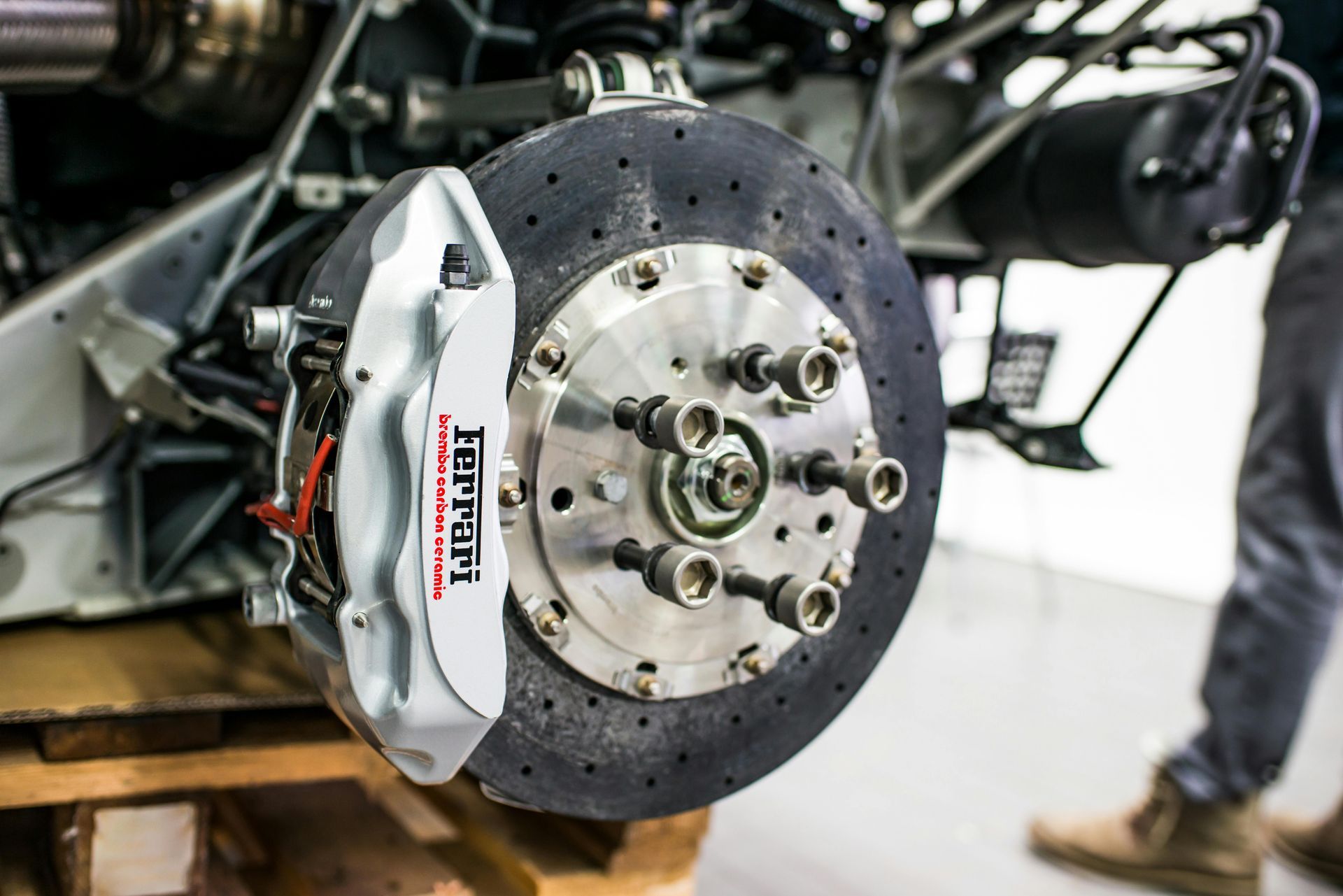
Wheel bearings are precision components located inside the wheel hub. They allow the wheel and hub assembly to rotate around the axle or spindle while supporting the weight placed on that wheel end.
Heavy-duty trucks and trailers place enormous demands on their wheel-end components. Bearings must operate smoothly for thousands of miles while dealing with heat, road impacts, vibration, braking forces, and changing loads.
Lubrication creates a protective film between moving surfaces and helps control friction and temperature. Depending on the wheel-end design, the bearing assembly may use oil or grease.
When lubrication is insufficient or contaminated, metal surfaces can experience excessive friction. Heat rises, bearing surfaces deteriorate, and the failure can spread to the hub, spindle, seal, and other nearby components.
That is why proper wheel-end maintenance involves much more than simply replacing a worn bearing.
What Are the Early Signs of a Failing Wheel Bearing?
Wheel bearings can deteriorate gradually, providing warning signs before complete failure.
One possible symptom is a humming, growling, grinding, or rumbling noise that changes with vehicle speed. The noise may be difficult to locate from inside a commercial truck, particularly with normal engine, tire, and road noise.
Another warning sign is excessive heat at one wheel end compared with others.
Wheel ends naturally generate some heat during operation, particularly after braking. A hub that is significantly hotter than comparable wheel ends, however, may indicate a bearing, brake, lubrication, or adjustment problem.
Drivers should never place a bare hand directly on a wheel end that may be extremely hot. If excessive heat is suspected, allow the equipment to cool and have the cause professionally inspected.
Lubricant Leaks Should Never Be Ignored
Visible oil or grease around the wheel end is an important warning sign.
A damaged seal may allow lubricant to escape from the hub. Once the lubricant level falls, the bearings may no longer receive adequate protection.
Leaking lubricant can also reach brake components. Oil or grease contamination on brake linings can reduce braking performance and create another serious safety problem.
During a pre-trip or post-trip inspection, look for wet areas around the hub, lubricant streaks on the wheel, residue near the seal, or unexplained buildup around the inside of the tire and brake area.
A small leak today can become a much larger problem after several hundred miles of highway operation.
What Causes Semi-Truck Wheel Bearings to Fail?
There is rarely a single universal cause. Several mechanical and maintenance issues can shorten wheel bearing life.
Insufficient Lubrication
Bearings require proper lubrication to control friction and heat. A low lubricant level can cause rapid wear and overheating.
The cause of lubricant loss should also be identified. Simply adding more oil without repairing a leaking seal does not solve the problem.
Contaminated Lubricant
Water, dirt, metal particles, and other contaminants can damage bearing surfaces.
Contamination may enter through damaged seals or during improper maintenance procedures.
Incorrect Bearing Adjustment
Wheel bearings must operate within the appropriate adjustment for the specific wheel-end design.
Improper adjustment can create excessive looseness or preload. Either condition can accelerate bearing and seal wear.
Damaged Seals
Wheel seals keep lubricant inside the hub and contaminants outside. A failed seal can lead to both lubricant loss and contamination.
Heavy Loads and Road Impacts
Commercial wheel ends are designed for demanding service, but repeated overloading or severe impacts can increase stress on bearings and related components.
Potholes, damaged pavement, curbs, and road debris can all contribute to wheel-end problems.
Brake Heat Can Affect Wheel-End Components
Wheel bearing concerns should not always be viewed in isolation.
A dragging or improperly adjusted brake can generate excessive heat at the wheel end. That heat may affect lubricant, seals, bearings, and nearby components.
This is particularly important for trucks operating on mountainous routes.
Long descents around Southern Colorado can require substantial braking if speed and gear selection are not properly managed. A brake that is already dragging or malfunctioning can become much hotter under these conditions.
When a wheel end is running unusually hot, the complete assembly should be evaluated rather than automatically assuming the bearing is the only problem.
The actual cause may involve the bearing, brake, seal, lubrication, or a combination of issues.
How Southern Colorado Driving Can Stress Wheel Ends
Trinidad is positioned along an important commercial transportation corridor, and drivers in the area regularly encounter changing elevations and demanding road conditions.
Travel around Trinidad, Walsenburg, Raton Pass, and the I-25 corridor can involve extended highway speeds followed by significant grades.
Heavy loads increase forces on wheel-end components. Mountain descents create additional braking heat. Rough pavement adds repeated impact loads, while seasonal temperature changes can affect lubricants and seals.
These conditions make routine wheel-end inspections especially valuable for trucks and trailers that regularly operate through Southern Colorado.
A bearing problem that appears minor during a short local run can become much more serious during an extended interstate haul.
How Can Drivers Check for Wheel Bearing Problems?
Drivers can identify several warning signs during routine inspections without disassembling the wheel end.
Look for lubricant around hubs and seals. Check for obvious damage around hub components. Watch for unusual tire wear and listen for new grinding or rumbling noises while driving.
During stops, be alert for a burning smell or signs that one wheel end is generating significantly more heat than the others.
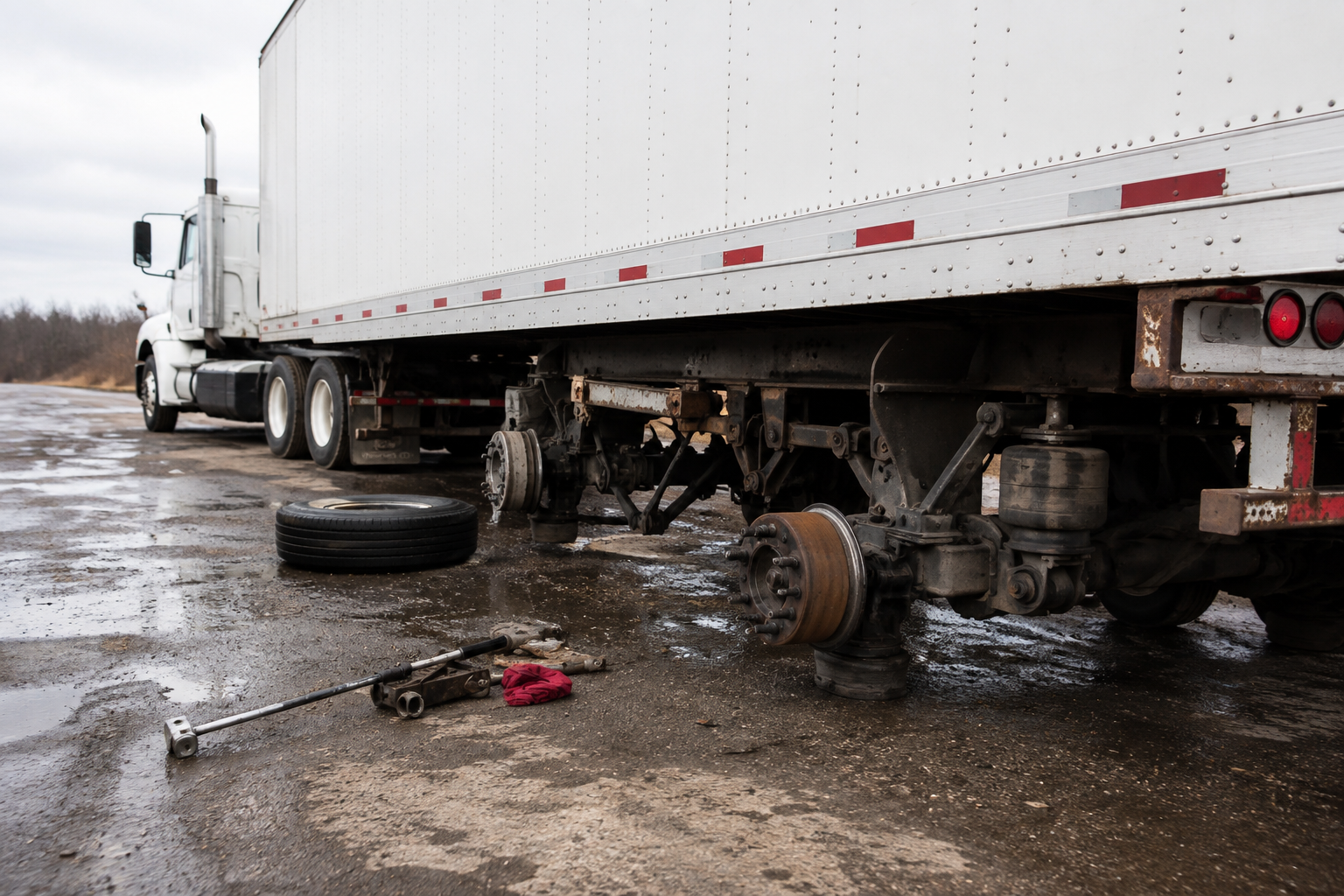
Any suspected looseness should be evaluated properly by a technician. Accurate wheel bearing inspection may require safely lifting the vehicle and measuring movement or end play using appropriate procedures and equipment.
Drivers should not crawl underneath or attempt wheel-end inspection unless the vehicle is properly secured.
What Happens If a Bad Wheel Bearing Is Ignored?
Ignoring a deteriorating bearing can substantially increase repair costs.
Early bearing or seal problems may be limited to a relatively small number of components. Continued operation can damage the hub and spindle and potentially affect brakes and tires.
In severe cases, wheel-end failure can create a risk of wheel separation.
A breakdown involving a damaged wheel end can also result in towing expenses, missed appointments, delayed freight, and lost operating time.
For owner-operators, downtime can cost as much as the repair itself because the truck is not generating revenue while it is out of service.
Early diagnosis is therefore both a safety decision and a financial one.
When Should You Stop Driving?
Some wheel-end symptoms require immediate attention.
If you notice smoke from a wheel end, severe grinding, obvious wheel movement, a strong burning smell, substantial lubricant loss, or extreme heat, continuing the trip may be unsafe.
Find a safe place to stop and arrange for the truck or trailer to be evaluated.
Do not assume that adding lubricant will make a severely damaged bearing safe to operate. Once a bearing has overheated or suffered physical damage, adding oil or grease cannot reverse that damage.
How Can Wheel Bearing Failures Be Prevented?
Regular inspection and correct maintenance are the best defenses against wheel-end failure.
Lubricant levels and condition should be checked according to the wheel-end manufacturer's service requirements. Leaking seals should be repaired promptly rather than repeatedly topping off the lubricant.
Bearings should be correctly adjusted during service, and hubs should be inspected for damage when wheel-end components are disassembled.
Brake condition also matters. A dragging brake can create enough heat to damage otherwise serviceable wheel-end components.
Maintenance records are useful for fleets and owner-operators because they make it easier to track wheel-end service and identify recurring issues.
Can Trailer Wheel Bearings Fail Too?
Yes. Trailer wheel ends deserve the same attention as tractor wheel ends.
A trailer may travel thousands of miles while receiving less day-to-day attention than the tractor. That can allow small lubricant leaks or developing wheel-end problems to go unnoticed.
Drivers changing trailers should include wheel-end condition in their inspection rather than assuming the previous driver or fleet maintenance team has already identified every issue.
Checking hubs, seals, tires, brakes, and visible lubricant condition can help catch problems before departure.
Frequently Asked Questions About Semi-Truck Wheel Bearings
What does a failing semi-truck wheel bearing sound like?
A damaged bearing may produce humming, rumbling, growling, or grinding noises that change with road speed. However, tire and driveline problems can create similar sounds, so diagnosis is important.
Can I drive with a leaking wheel seal?
A wheel seal leak can reduce bearing lubrication and contaminate brake components. It should be inspected promptly rather than assuming the truck can safely complete another long trip.
Why is one truck wheel much hotter than the others?
Possible causes include a bearing problem, dragging brake, incorrect bearing adjustment, lubrication trouble, or another wheel-end issue. Excessive heat should be investigated.
How often should semi-truck wheel bearings be inspected?
Inspection intervals depend on the wheel-end system, manufacturer recommendations, operating conditions, mileage, and maintenance history. Drivers should visually inspect for leaks and other obvious problems during routine vehicle inspections.
Can CCC Repair help with wheel-end problems?
CCC Repair and Trucking provides commercial truck and trailer repair and can inspect a wheel-end concern to determine whether a bearing, seal, brake, hub, or related component is contributing to the problem.
Address Wheel-End Problems Before They Cause Downtime
Wheel bearings may be hidden inside the hub, but they should never be out of mind. Lubricant leaks, unusual noises, excessive heat, vibration, and wheel-end looseness can all indicate a developing problem.
Catching these symptoms early can help prevent damage to more expensive components and reduce the possibility of a roadside shutdown.
For commercial drivers operating near Trinidad and throughout Southern Colorado, CCC Repair and Trucking provides 24/7 truck and trailer repair for unexpected mechanical problems.
CCC Repair and Trucking
9611 County Rd 20.8
Trinidad, CO 81082
Phone: 719-859-2111
Email: castillof99@yahoo.com
Available 24 hours a day, seven days a week for commercial truck and trailer repair in Trinidad, Colorado.