An overheating diesel engine is not a minor inconvenience. It is one of the fastest ways to turn a working truck into a major repair project. Diesel engines operate under high compression and heavy load, which means they naturally generate significant heat. When the cooling system cannot manage that heat properly, internal damage can happen quickly.
For drivers operating in Southern Colorado, overheating risks are even greater. Steep grades near Raton Pass, long highway pulls, heavy freight loads, and high elevation all contribute to increased engine temperatures. At CCC Repair and Trucking in Trinidad, Colorado, overheating-related service calls rise during summer and during heavy hauling seasons.
Understanding why diesel engines overheat, how to spot the warning signs, and what to do immediately can prevent catastrophic failure and protect your livelihood.
Why Diesel Engines Run Hotter Under Load
Diesel engines rely on high compression to ignite fuel. That compression generates intense heat inside the combustion chamber. Under normal conditions, the cooling system regulates temperature by circulating coolant through the engine block and cylinder head, then dissipating heat through the radiator.
However, several factors increase heat production:
- Heavy throttle during mountain climbs
Towing or hauling maximum loads
High ambient summer temperatures
Reduced airflow at low speeds
High elevation, which affects cooling efficiency
When cooling components cannot keep up with heat generation, temperatures climb rapidly.
Early Warning Signs of Diesel Engine Overheating
Catching overheating early is critical. Severe engine damage can occur in minutes if temperatures continue rising unchecked.
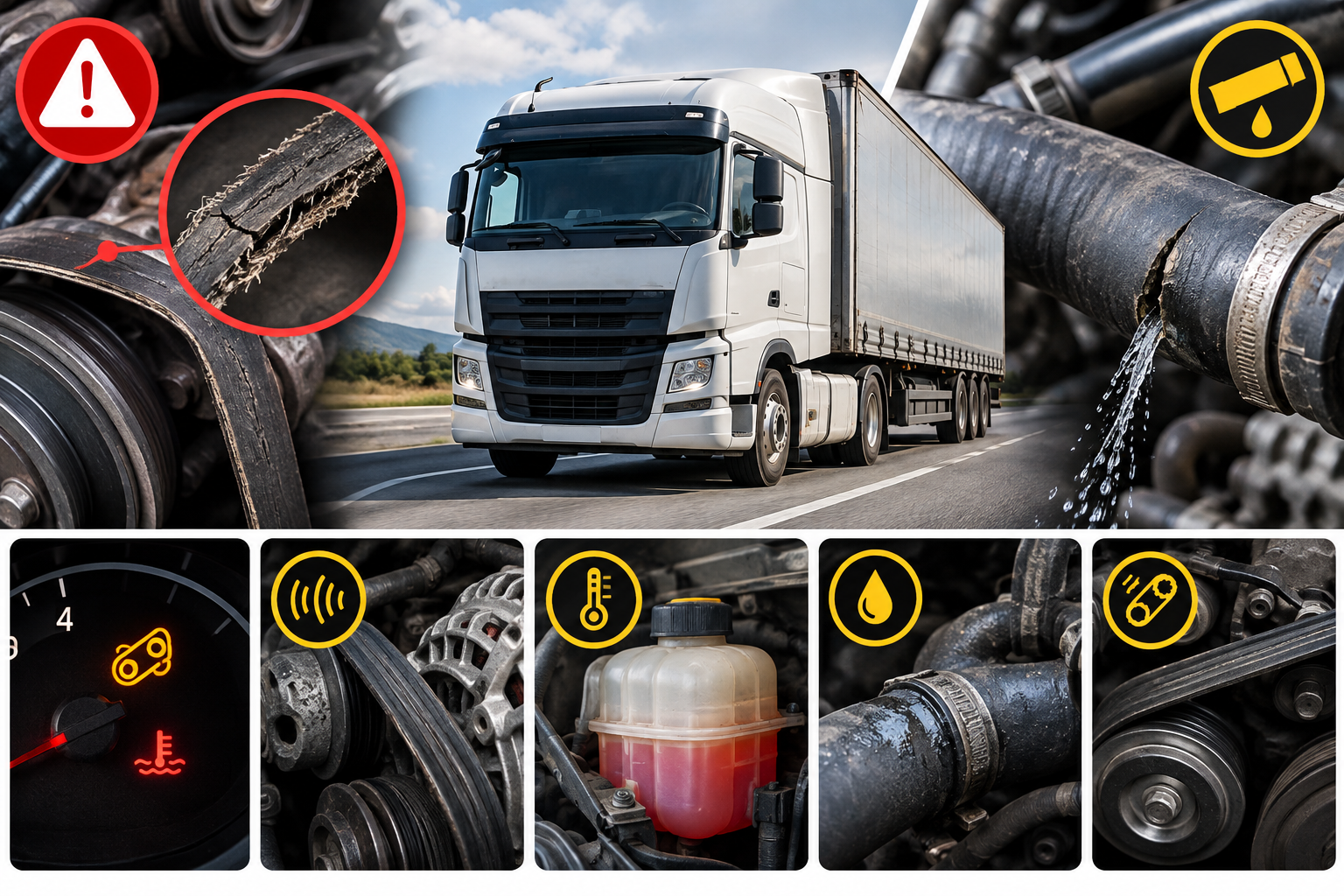
Temperature Gauge Rising Above Normal
The first and most obvious warning is a temperature gauge moving past its normal range. If it climbs steadily during a hill climb and does not return to normal after leveling out, there is likely a cooling system issue.
Coolant Level Warning
Many modern diesel trucks have electronic sensors that monitor coolant levels. A low coolant alert should be addressed immediately.
Reduced Engine Power
Some trucks automatically limit power output when overheating begins. This protective measure prevents internal damage but indicates a serious issue.
Steam or Vapor from Engine Compartment
Steam indicates coolant is contacting hot surfaces and evaporating. This requires immediate shutdown.
Sweet or Burning Odor
A sweet smell typically indicates coolant leakage. A burning odor may signal overheated oil or components.
Common Causes of Diesel Engine Overheating
Overheating rarely happens without a root cause. Identifying that cause quickly prevents recurrence.
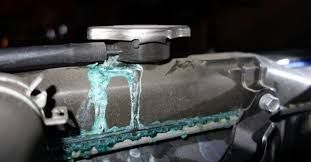
Coolant Leaks
Low coolant levels are one of the most common causes of overheating. Leaks may originate from:
Radiator cracks
Worn hoses
Loose clamps
Water pump seals
Heater core damage
Even a small leak reduces the system’s cooling capacity.
Faulty Thermostat
The thermostat regulates coolant flow. If it becomes stuck closed, coolant cannot circulate properly. Engine temperature rises rapidly under load.
Replacing a thermostat is inexpensive compared to repairing engine damage caused by failure.
Radiator Airflow Restriction
Debris such as dirt, bugs, and road grime can block radiator fins. Reduced airflow prevents effective heat transfer.
Internal radiator clogging can also restrict coolant flow.
Water Pump Failure
The water pump circulates coolant through the engine. If the pump impeller wears or fails, coolant flow decreases significantly.
Signs of water pump failure may include coolant leakage from the pump housing or unusual noise.
Fan Clutch Malfunction
The fan clutch engages the cooling fan when temperatures rise. If it fails to engage properly, airflow through the radiator is reduced, especially at low speeds.
This issue is common during slow climbs or stop-and-go traffic.
Head Gasket Failure
A blown head gasket allows combustion gases into the cooling system. This reduces cooling efficiency and may create air pockets.
White smoke from the exhaust combined with overheating often signals this issue.
Overheating Risks in Southern Colorado
Operating in and around Trinidad presents unique stress factors:
Long mountain climbs demand sustained throttle input
High elevations reduce cooling efficiency
Hot summer pavement temperatures increase baseline engine heat
Heavy agricultural hauling increases engine load
Drivers must monitor gauges closely during long pulls and extreme weather.
Immediate Steps If Overheating Occurs
If you notice temperature rising:
Reduce throttle immediately
Turn off air conditioning
Shift to a lower gear if climbing
Pull over safely
Allow engine to idle briefly to stabilize
Shut down if temperature continues rising
Never remove the radiator cap while the engine is hot. Pressurized coolant can cause serious injury.
Long-Term Damage from Overheating
Ignoring overheating can result in:
Warped cylinder heads
Blown head gasket
Cracked engine block
Scored pistons
Damaged turbocharger bearings
Oil breakdown and lubrication failure
Severe overheating repairs can cost tens of thousands of dollars.
Immediate shutdown often prevents catastrophic damage.
Preventative Maintenance to Avoid Overheating
Routine inspection significantly reduces risk.
Maintain Proper Coolant Mixture
Correct coolant-to-water ratio ensures proper heat transfer and freeze protection.
Replace Aging Hoses
Rubber hoses degrade over time. Proactive replacement prevents sudden rupture.
Flush Cooling System Periodically
Coolant loses effectiveness over time and may allow internal corrosion.
Inspect Radiator Fins
Keep fins clean and free of debris.
Test Fan Clutch Engagement
Ensure proper operation during high temperatures.
Monitor Temperature Trends
If your truck consistently runs slightly hotter than normal, investigate early.
How CCC Repair Diagnoses Overheating
At CCC Repair and Trucking, we follow a comprehensive diagnostic process.
Cooling system pressure testing
Thermostat inspection and testing
Radiator flow analysis
Fan clutch testing
Water pump evaluation
Combustion gas detection testing
ECM temperature sensor diagnostics
We identify not just the symptom but the root cause to prevent recurrence.
Roadside Cooling System Repairs
Many overheating issues can be addressed in the field.
We provide:
Hose replacement
Coolant refilling
Minor radiator repair
Thermostat replacement
Fan belt replacement
Severe internal engine damage requires in-shop service, but early response limits escalation.
Seasonal Cooling Considerations
Summer heat increases engine load baseline.
Winter coolant dilution errors reduce heat transfer efficiency.
Frequent short trips may prevent full temperature stabilization.
Seasonal inspections help ensure cooling reliability year-round.
Financial Impact of Overheating
Thermostat replacement: relatively low cost
Hose replacement: moderate expense
Radiator replacement: higher cost
Head gasket repair: several thousand dollars
Engine rebuild: significant investment
Preventative maintenance is far less expensive than engine reconstruction.
Frequently Asked Questions
How hot is too hot for a diesel engine?
Operating temperature varies by manufacturer, but sustained temperatures above normal range require immediate attention.
Can I drive a short distance while overheating?
Even short distances can cause severe damage. Shut down as soon as safely possible.
Does elevation affect cooling performance?
Yes. Higher elevation reduces air density, impacting radiator efficiency.
How often should cooling systems be inspected?
At least annually, and more frequently for high-mileage trucks.
What causes overheating without coolant loss?
Thermostat failure, fan clutch malfunction, radiator blockage, or internal head gasket issues may be responsible.
Protect Your Engine from Catastrophic Failure
Diesel engine overheating is never something to ignore. Quick action and professional diagnostics can prevent extensive mechanical damage and extended downtime.
CCC Repair and Trucking
9611 County Rd 20.8
Trinidad, CO 81082
Phone: 719-859-2111
Email: castillof99@yahoo.com
Providing professional diesel diagnostics and emergency truck repair throughout Southern Colorado 24 hours a day, seven days a week.