Modern diesel trucks are no longer purely mechanical machines. Today’s commercial vehicles rely heavily on complex electrical systems to manage engine performance, emissions systems, safety features, lighting, braking alerts, and communication between control modules. When electrical issues arise, they can disrupt nearly every aspect of your truck’s operation.
Unlike mechanical failures that may produce obvious noises or leaks, electrical problems are often unpredictable. A truck may start fine one day and refuse to crank the next. Dashboard lights may flicker. Sensors may trigger false warnings. In some cases, electrical instability can place your truck into limp mode or cause it to shut down entirely.
At CCC Repair and Trucking in Trinidad, Colorado, electrical diagnostics are among the most critical services we provide. Southern Colorado’s climate, elevation, and road conditions add stress to truck electrical systems, making routine inspection and prompt repair essential.
This guide explains how diesel truck electrical systems function, common warning signs of failure, root causes, and how to prevent costly downtime.
Understanding the Electrical System in a Diesel Truck
A commercial truck electrical system is made up of interconnected components that rely on stable voltage and proper grounding.
Core components include:
- Heavy-duty batteries
- Alternator
- Starter motor
- Main wiring harness
- Ground straps
- Fuses and relays
- Engine Control Module
- Transmission Control Module
- Lighting circuits
- Emissions sensors and actuators
The alternator generates electricity while the engine runs, supplying power to systems and recharging the batteries. The batteries provide the initial energy to start the engine and stabilize voltage during operation. Control modules interpret sensor data and adjust fuel injection, boost pressure, and emissions systems accordingly.
Because these systems depend on steady voltage, even minor fluctuations can create widespread performance issues.
Early Warning Signs of Electrical Trouble
Electrical problems often begin subtly. Recognizing symptoms early helps prevent more serious failure.
Slow Engine Crank or No Start
A slow crank is often the first sign of battery or starter trouble. Causes may include:
Weak or aging batteries
Corroded battery terminals
Loose ground connections
Failing starter motor
Poor alternator output
In colder months across Southern Colorado, battery strain increases significantly. Cold weather reduces battery efficiency, making borderline batteries fail suddenly.
Flickering or Dim Lights
Headlights or interior lights that dim while driving may indicate charging system problems.
Potential causes include:
Failing alternator
Voltage regulator malfunction
Weak battery
Poor ground connection
If ignored, these issues may lead to full electrical failure.
Multiple Dashboard Warning Lights
When several warning lights appear at once, voltage instability may be affecting electronic control modules. Low or fluctuating voltage can cause sensors to send incorrect signals.
Drivers may see alerts related to:
Engine performance
Transmission
ABS system
DEF system
Traction control
Addressing the charging system often resolves these cascading warnings.
Intermittent Power Loss
If your engine stalls unexpectedly or electronics cut out briefly, the issue may involve:
Loose ECM connections
Damaged ignition switch
Broken wiring harness
Weak ground strap
Intermittent faults are particularly dangerous because they may not trigger consistent warning codes.
Repeated Blown Fuses
A fuse that blows repeatedly signals a short circuit or overloaded component. Simply replacing the fuse does not fix the underlying issue.
Short circuits can damage wiring and even pose fire risk if left unresolved.
Common Causes of Electrical Failure
Corrosion
Road salt and moisture during Colorado winters accelerate corrosion on battery terminals and ground straps. Corrosion restricts current flow and increases resistance.
Vibration Damage
Commercial trucks experience constant vibration. Over time, vibration loosens connectors and rubs wiring against metal surfaces, leading to exposed wires.
Alternator Wear
Alternators contain moving internal components that wear down over time. Reduced output leads to undercharging, while faulty regulators can cause overcharging.
Aging Batteries
Heavy-duty batteries typically last three to five years. Extreme heat and cold shorten lifespan.
Poor Ground Connections
Ground straps complete electrical circuits. A loose or corroded ground creates unpredictable electrical behavior.
Electrical Issues and Emissions Systems
Modern diesel engines rely on electrical signals for:
DEF injection
DPF regeneration
Fuel injection timing
Turbo actuator positioning
EGR system operation
Voltage irregularities can disrupt emissions performance and trigger derate conditions. What appears to be an emissions fault may actually stem from charging system instability.
The Cost of Ignoring Electrical Problems
Minor battery replacement involves moderate cost.
Alternator replacement is more significant but manageable.
Wiring harness replacement can become expensive depending on location.
ECM replacement can be extremely costly.
Unexpected roadside breakdowns add towing expenses and lost delivery revenue.
Addressing electrical symptoms early protects expensive control modules.
Southern Colorado Electrical Stress Factors
Operating in and around Trinidad presents unique challenges:
Cold winters reduce battery output capacity.
High elevations require consistent electrical performance for emissions systems.
Remote highways increase downtime risk during breakdowns.
Seasonal temperature swings stress wiring and connectors.
Routine electrical inspections are particularly important for trucks running mountain routes.
Professional Electrical Diagnostics
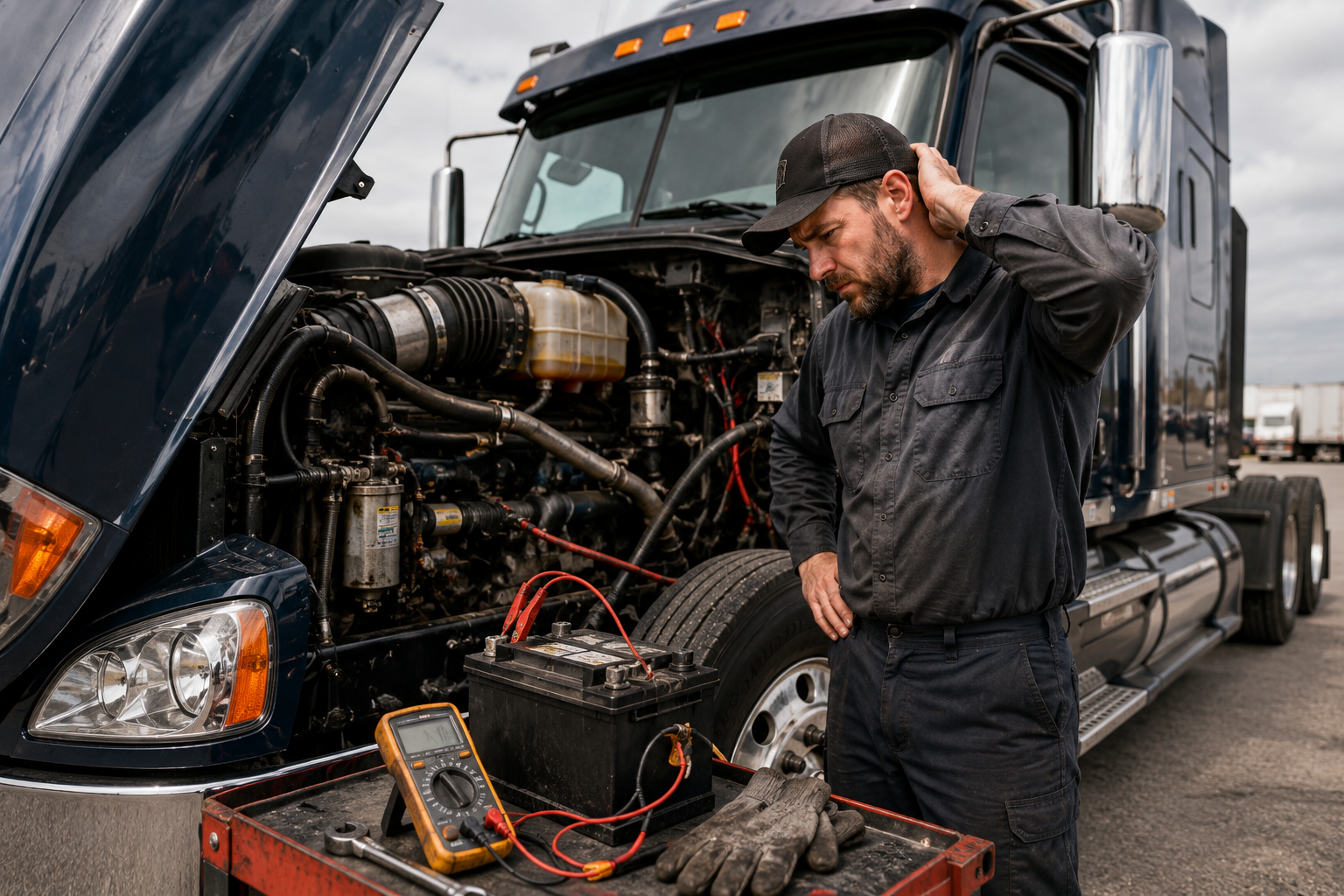
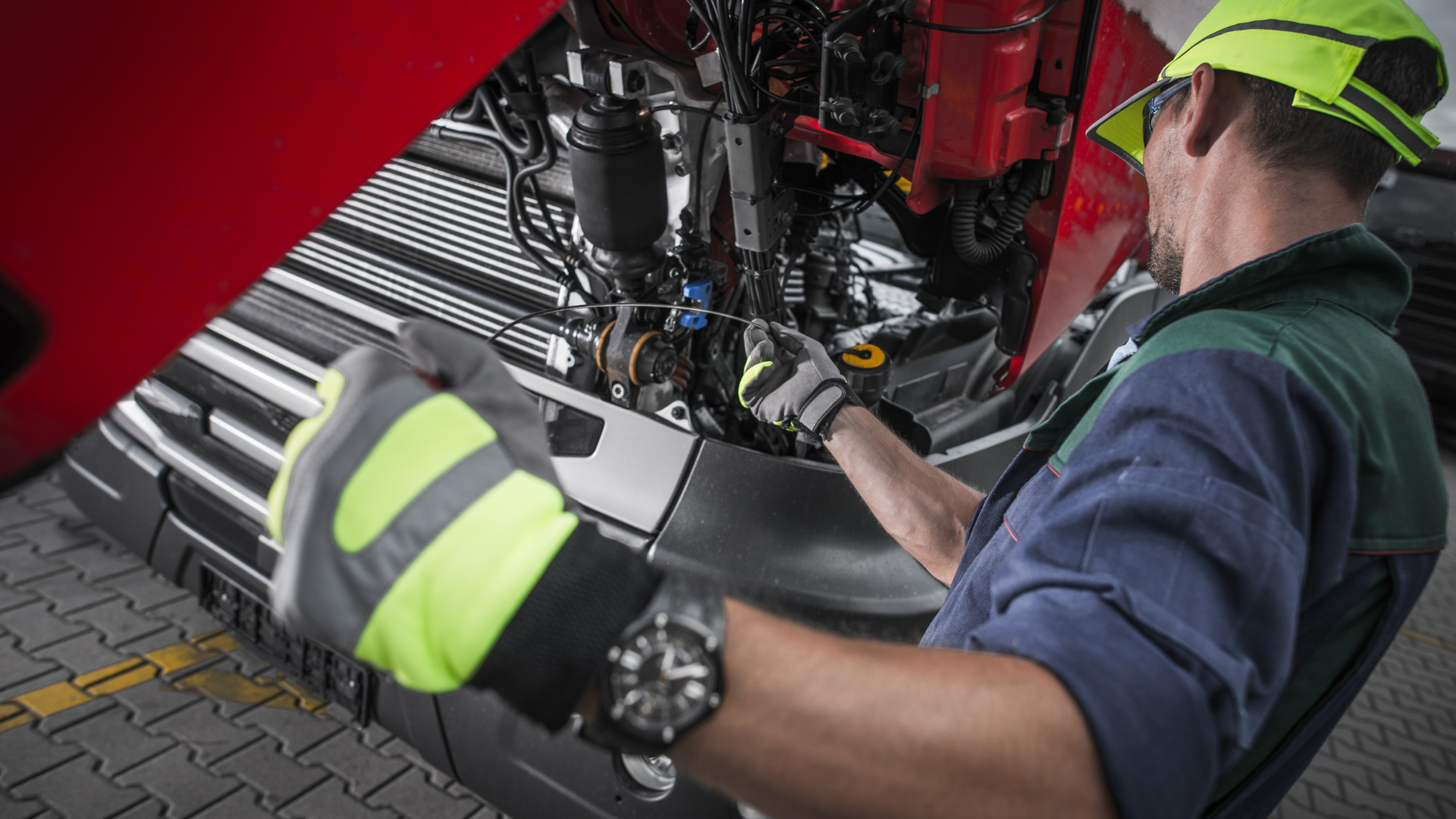
Electrical diagnosis requires systematic testing and professional equipment.
At CCC Repair and Trucking, we perform:
Battery load testing
Alternator amperage testing
Voltage drop testing across circuits
Ground strap inspection
Continuity testing for wiring
Fuse and relay evaluation
ECM and sensor scanning
Voltage drop testing is especially important. Even if a battery tests strong, resistance in cables can prevent proper current flow.
Preventative Electrical Maintenance
Proactive maintenance greatly reduces emergency failures.
Inspect Batteries Twice Per Year
Load test batteries before winter and summer.
Clean Terminals Regularly
Remove corrosion buildup and ensure tight connections.
Replace Batteries as a Set
Mismatched batteries strain the charging system.
Inspect Wiring Harnesses
Look for rubbing against frame rails or engine components.
Secure Ground Straps
Ensure grounding points are clean and tight.
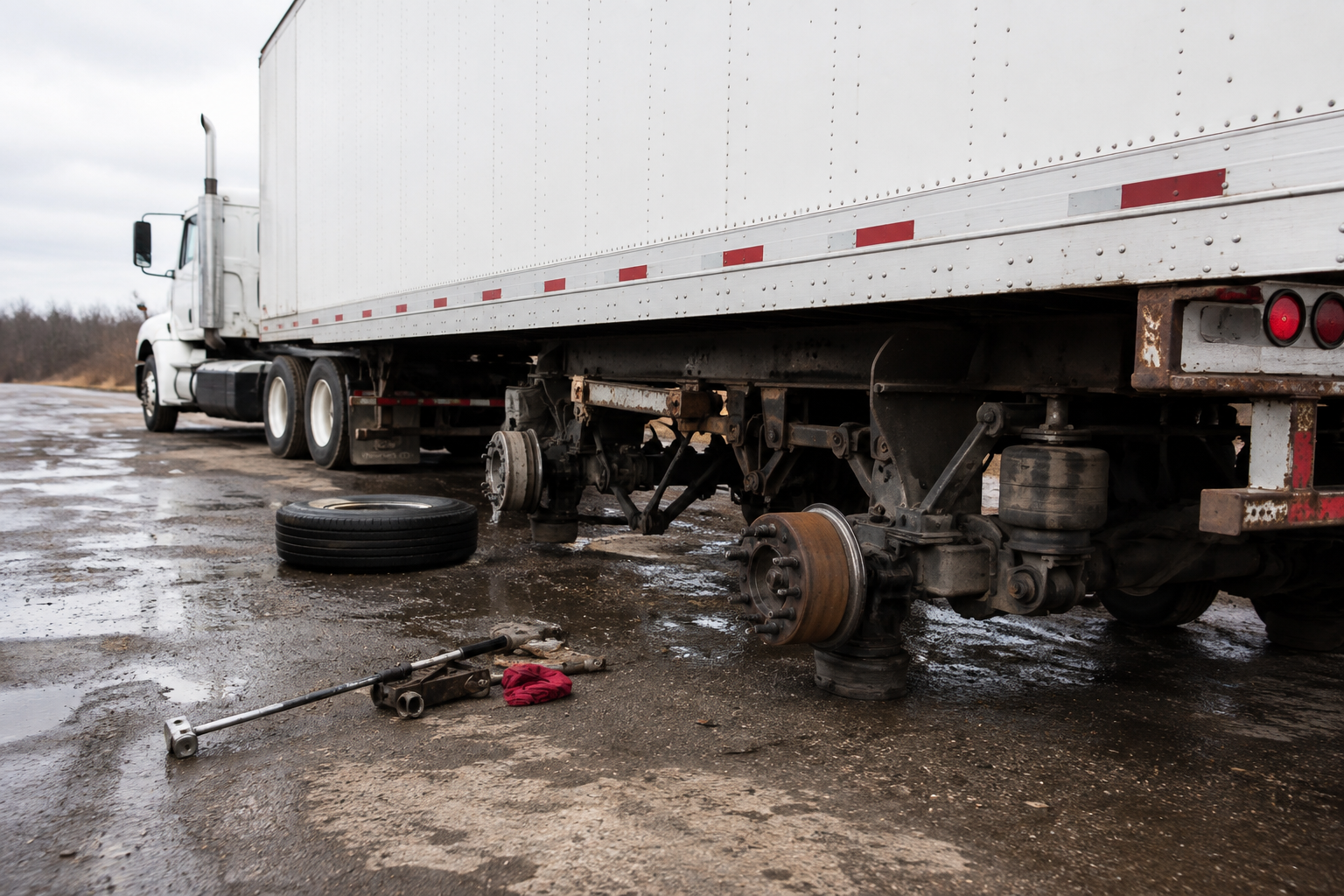
Roadside Electrical Services
Many electrical issues can be repaired in the field.
CCC Repair provides:
Battery replacement
Alternator replacement
Starter replacement
Ground strap repair
Fuse block repair
Emergency wiring repair
Complex module programming or extensive harness replacement may require shop service, but early response reduces escalation.
When to Stop Driving
You should discontinue operation if:
Voltage warning light remains active
Engine shuts down unexpectedly
Air brake warning activates due to voltage drop
Headlights dim severely
Multiple systems fail simultaneously
Electrical instability can create unsafe driving conditions.
Frequently Asked Questions
How long do commercial truck batteries typically last?
Most last three to five years depending on climate and usage.
Can a failing alternator damage other components?
Yes. Overcharging can damage batteries and electronic modules.
Why do electrical problems seem random?
Intermittent wiring faults and unstable voltage create inconsistent symptoms.
Does cold weather shorten battery life?
Yes. Low temperatures reduce battery output significantly.
Should both batteries be replaced at the same time?
Yes. Replacing only one can cause imbalance and strain the charging system.
Protecting Your Truck’s Electrical Reliability
Electrical stability is essential for modern diesel performance. Small symptoms often signal larger underlying issues. Early diagnostics prevent costly breakdowns and protect sensitive electronic components.
CCC Repair and Trucking
9611 County Rd 20.8
Trinidad, CO 81082
Phone: 719-859-2111
Email: castillof99@yahoo.com
Providing professional diesel electrical diagnostics and repair throughout Southern Colorado, 24 hours a day, seven days a week.