How to Diagnose and Fix Air Leaks in Your Commercial Truck
Air leaks are one of the most common issues in commercial trucks—and one of the most serious if ignored. Your truck’s air system controls critical components including brakes, suspension, and in many cases, trailer systems. When air pressure drops unexpectedly, you risk brake lockup, failed DOT inspections, or being placed out of service on the side of the highway.
At CCC Repair and Trucking in Trinidad, Colorado, air system diagnostics are one of the most frequent service calls we handle. Whether it’s a minor fitting leak or a failing brake chamber, identifying the source quickly is the key to preventing downtime and protecting your safety.
This guide explains how air systems work, the most common causes of air leaks, how to diagnose them, and when professional repair is necessary.
How the Air System Works in a Commercial Truck
Unlike passenger vehicles that rely on hydraulic brake systems, most heavy-duty trucks use compressed air. An engine-driven compressor builds air pressure and stores it in tanks. When you press the brake pedal, air is released to activate the brake chambers.
A properly functioning system should:
- Build pressure from 85 PSI to 100 PSI within 45 seconds
- Maintain operating pressure between 100 and 125 PSI
- Lose no more than 2 PSI per minute for a single vehicle when parked
- Lose no more than 3 PSI per minute for combination vehicles
If pressure drops faster than that, you likely have an air leak.
Common Signs of an Air Leak
Many drivers first notice air leaks through warning indicators. Others detect subtle performance issues before the system triggers a fault.
Watch for these signs:
- Air pressure warning light on dashboard
- Audible hissing sound when parked
- Air compressor running constantly
- Slow pressure buildup
- Brake pedal feels inconsistent
- Suspension drops overnight
- Trailer brakes not responding properly
In Colorado’s colder months, air leaks can also contribute to frozen lines, making diagnosis even more urgent.
Most Common Sources of Air Leaks
Air systems have numerous connection points. Over time, vibration, corrosion, and temperature swings can weaken fittings and hoses.
1. Air Line Fittings
Push-to-connect fittings can loosen due to vibration. Even a slight misalignment can cause steady air loss.
2. Worn or Cracked Air Hoses
Rubber air lines become brittle with age, especially in cold weather. Small cracks can expand quickly under pressure.
3. Brake Chambers
A ruptured diaphragm inside a brake chamber will leak air continuously. This often results in loss of brake effectiveness or spring brake engagement.
4. Air Tanks
Corrosion inside or outside the tank can cause pinhole leaks. Moisture buildup accelerates rusting.
5. Air Dryer or Governor Malfunction
If the air dryer fails, moisture enters the system and damages valves and seals, leading to leaks elsewhere.
6. Trailer Connections
The glad hands connecting tractor and trailer are common leak points. Damaged seals or improper coupling can cause air loss.
Step-by-Step: How to Diagnose an Air Leak
While full repair should be left to professionals, you can perform a basic diagnostic safely.
Step 1: Park Safely and Build Full Pressure
Allow the system to reach full operating PSI. Shut off the engine but leave the key in the on position.
Step 2: Listen Carefully
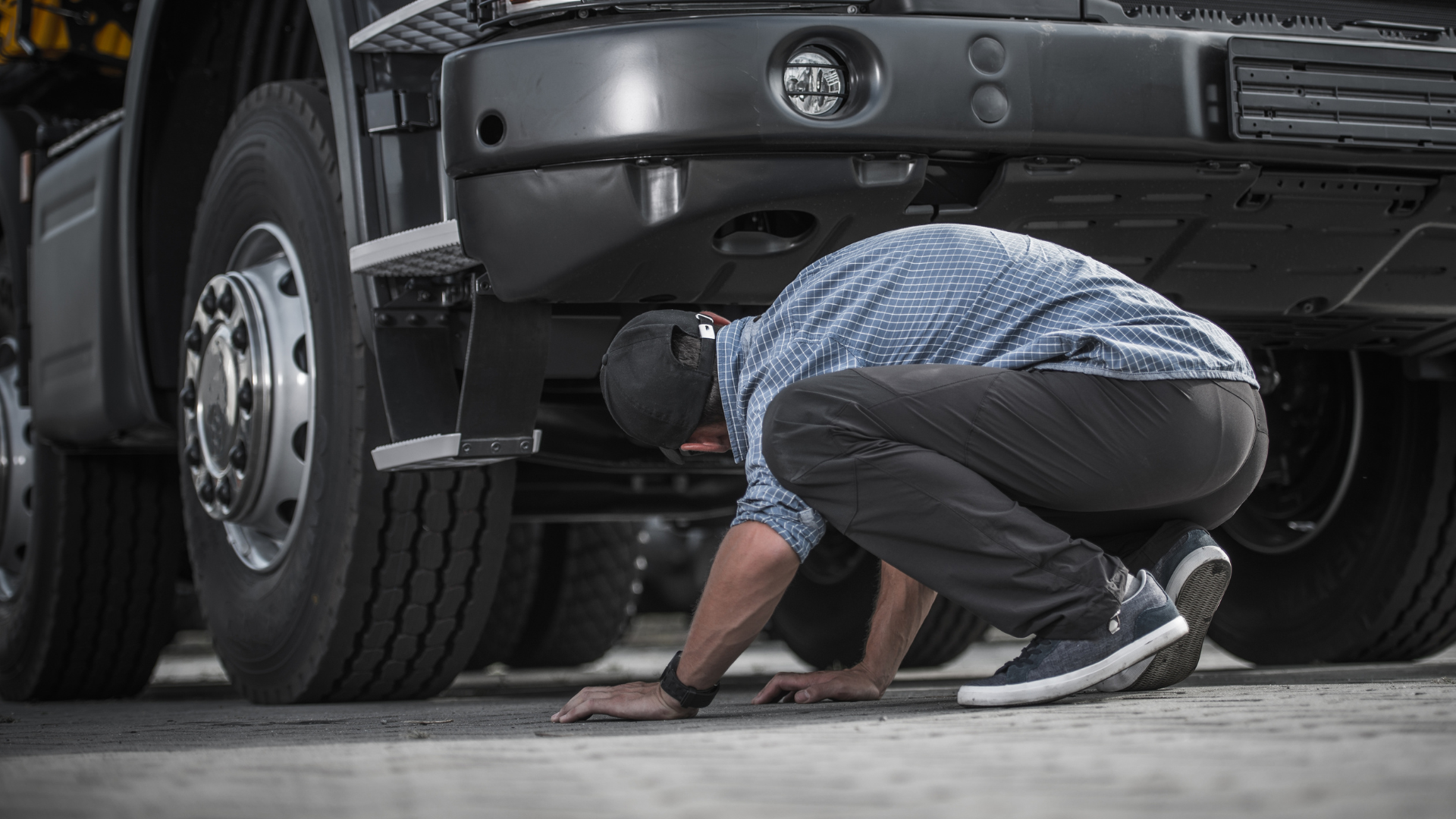
Walk around the truck and trailer. A steady hissing sound often reveals the leak location. Pay close attention to brake chambers, air tanks, and fittings.
Step 3: Perform a Leak-Down Test
Release the brakes and monitor pressure. Time how quickly PSI drops. If it exceeds DOT limits, you have a compliance issue.
Step 4: Apply Soapy Water
Spray soapy water on suspected areas. Bubbling indicates escaping air.
Step 5: Check Trailer Separately
Disconnect the trailer air lines and test the tractor independently. Then test the trailer system on its own to isolate the source.
If you cannot pinpoint the issue quickly, continued driving may worsen the problem.
Why Air Leaks Are Dangerous
Air systems are fail-safe by design. When pressure drops too low, spring brakes automatically engage. This can cause:
- Sudden brake lockup
- Loss of vehicle control
- Stranded truck in traffic
- Expensive towing
- DOT out-of-service violations
A small leak can quickly escalate into a full brake failure scenario.
The Financial Cost of Ignoring Air Leaks
Air leaks rarely fix themselves. Instead, they worsen over time.
Potential consequences include:
- Brake chamber replacement: 300 to 600 dollars
- Air compressor damage: 1,000 to 2,000 dollars
- Roadside tow: 800 dollars or more
- Missed delivery penalties
- CSA score impact
Addressing leaks early is always less expensive than repairing damage caused by prolonged air system stress.
How CCC Repair Diagnoses Air Leaks
Our technicians use professional diagnostic tools including:
- Digital pressure gauges
- Air leak detection devices
- Valve isolation testing
- Brake chamber inspection tools
- System pressure timing tests
We inspect the entire system, not just the obvious leak. Often, multiple weak points exist simultaneously.
Preventing Future Air Leaks
Preventative maintenance reduces emergency repairs significantly.
Recommended steps:
- Drain air tanks daily in winter
- Replace air dryer cartridge annually
- Inspect hoses and fittings every oil change
- Replace aging lines proactively
- Ensure glad hand seals are intact
- Schedule quarterly brake system inspections
Fleet operators especially benefit from scheduled air system checks to avoid multiple vehicles going down at once.
When to Stop Driving Immediately
Pull over and seek professional help if:
- Air pressure drops below 60 PSI
- Warning buzzer stays active
- Spring brakes engage unexpectedly
- Brakes feel weak or inconsistent
- You cannot build pressure
Driving with compromised brakes puts you and others at serious risk.
Why Southern Colorado Drivers Trust CCC Repair
Operating along I-25, Highway 160, and rural routes near Trinidad presents unique challenges. Cold weather, elevation changes, and remote stretches increase the importance of a fully functional air system.
CCC Repair and Trucking provides:
- 24/7 mobile air system diagnostics
- Brake chamber replacement
- Air line repair and installation
- Air dryer service
- Full DOT brake inspections
- Shop and roadside repair options
We respond quickly throughout Southern Colorado and prioritize safety-critical repairs.
Frequently Asked Questions
How much air loss is acceptable?
DOT guidelines allow minimal PSI loss per minute. Excessive loss requires immediate repair.
Can I temporarily tape or clamp a leaking hose?
Temporary fixes are not recommended for air brake systems. They can fail under load and create dangerous conditions.
Do air leaks affect fuel economy?
Yes. A constantly running compressor increases engine load and reduces fuel efficiency.
How long does air leak repair take?
Most roadside air line or fitting repairs can be completed within one to two hours, depending on severity.
Keep Your Air System Safe and Reliable
Air leaks are more than a nuisance—they are a direct threat to brake performance and regulatory compliance. Whether you notice a slow pressure drop or experience a full system failure, prompt diagnosis makes all the difference.
CCC Repair and Trucking
9611 County Rd 20.8
Trinidad, CO 81082
Phone: 719-859-2111
Email: castillof99@yahoo.com
Available 24 hours a day, seven days a week for commercial truck and trailer repair across Southern Colorado.