
What to Include in Your Commercial Truck Emergency Kit in Colorado

December 4, 2025

What to Include in Your Commercial Truck Emergency Kit in Colorado

Every truck driver knows that things don’t always go as planned. But in Colorado—where steep passes, remote highways, and sudden snowstorms are part of the job—a breakdown without the right gear can quickly turn dangerous.

At CCC Repair and Trucking, we respond to emergency calls across Southern Colorado 24/7, from I-25 near Trinidad to rural routes like Highway 160. In many cases, having the right emergency kit could have prevented hours of downtime, discomfort, or even safety risks for the driver.

In this guide, we’ll walk you through exactly what to pack in your commercial truck emergency kit, based on Colorado’s terrain, weather, and road conditions. Whether you’re an owner-operator or manage a fleet, these items are essential for winter runs, rural routes, and mountain hauls.

Why an Emergency Kit Is Essential in Colorado

Breakdowns in Colorado can happen far from service stations or populated areas. You could be hours from the nearest parts store, and extreme weather can roll in without warning—especially in mountain passes and at high elevations.

Common hazards that make an emergency kit vital in this region:

  • Engine or battery failure in freezing temperatures

  • Trailer air line freeze-ups

  • Icy roads leading to jackknifing or ditch slides

  • Snowstorms that delay roadside assistance

  • Fuel gelling at sub-zero temperatures

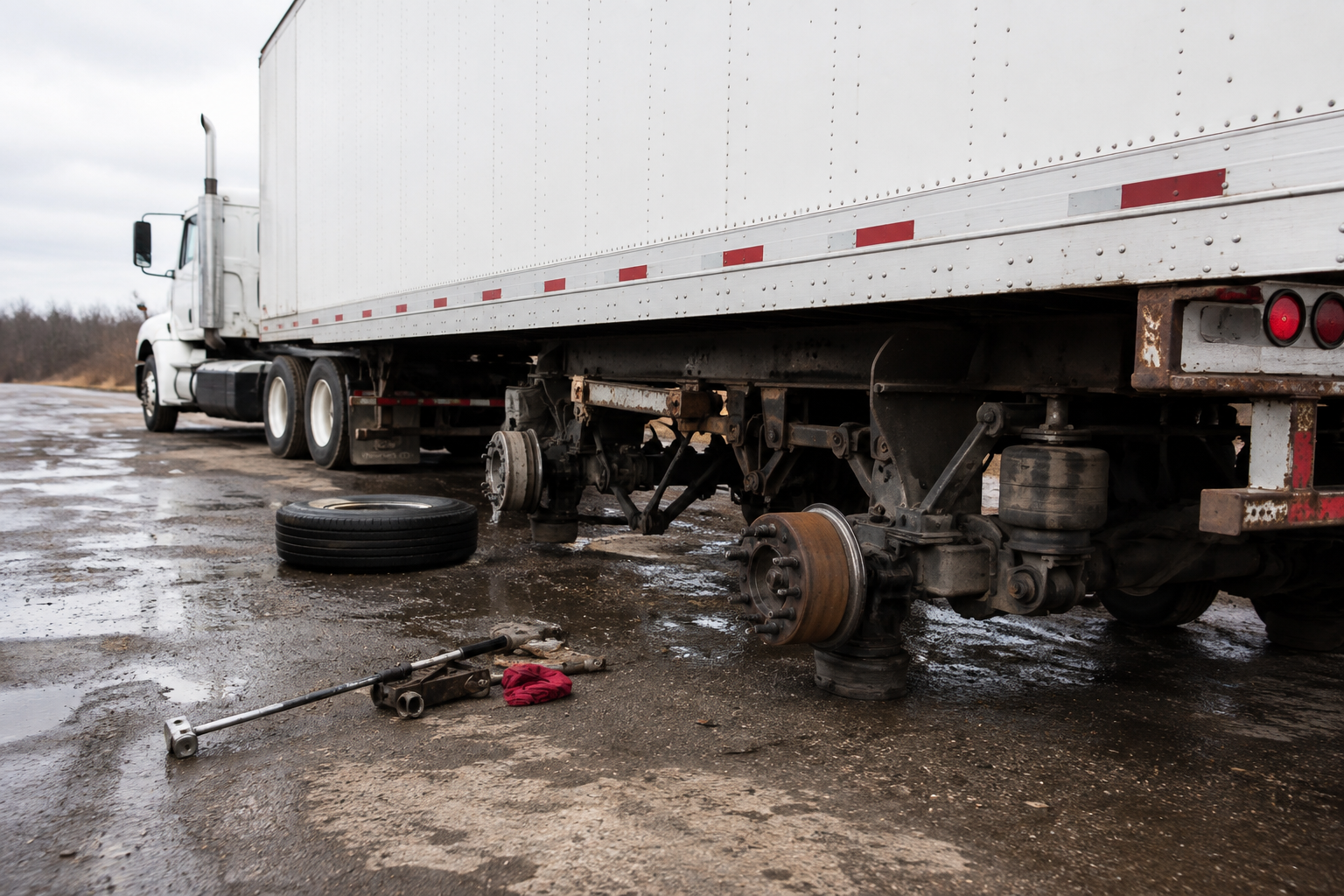
  • Tire blowouts far from paved shoulders

Your truck might be down for an hour—or for a full day. Having a well-stocked kit means you can stay safe, warm, and visible while you wait for help or complete minor repairs yourself.

Essentials for a Colorado-Ready Emergency Truck Kit

Below is a complete list of recommended emergency supplies for commercial truck drivers operating in Colorado, especially during fall, winter, and early spring.


1. Warmth and Shelter Supplies

  • Insulated gloves and thermal socks

  • Wool blankets or sleeping bag rated to 0°F

  • Hand warmers or battery-operated heating packs

  • Cold weather parka or extra insulated jacket

  • Waterproof boots and snow pants

  • Emergency space blankets

Even with a running cab heater, you could be without heat if your electrical or fuel systems fail. Many breakdowns we see occur at night in near-freezing conditions.


2. Food and Hydration

  • Bottled water (minimum 1 gallon)

  • Non-perishable, high-calorie food (protein bars, jerky, trail mix)

  • Electrolyte tablets or drink powder

  • Thermos with hot coffee, tea, or soup (when possible)

In cold weather, your body burns more calories, especially when exposed. If you're waiting for repair service in a remote location, food and water can make a big difference.


3. Visibility and Safety Equipment

  • Reflective triangles (minimum 3)

  • LED road flares or emergency flashers

  • Reflective safety vest

  • Headlamp with extra batteries

  • High-visibility flags (especially for trailer roadside work)

These items are critical for preventing secondary accidents and making sure you’re seen by other drivers—and by CCC’s mobile repair team when we arrive.


4. Cold Weather Truck Essentials


  • Tire chains (required on many Colorado passes in winter)

  • Diesel anti-gel additive

  • Spare fuel filters

  • Windshield washer fluid rated for -20°F

  • Compressed air or air line antifreeze for frozen brakes

  • Windshield scraper and snow brush

  • Lock de-icer

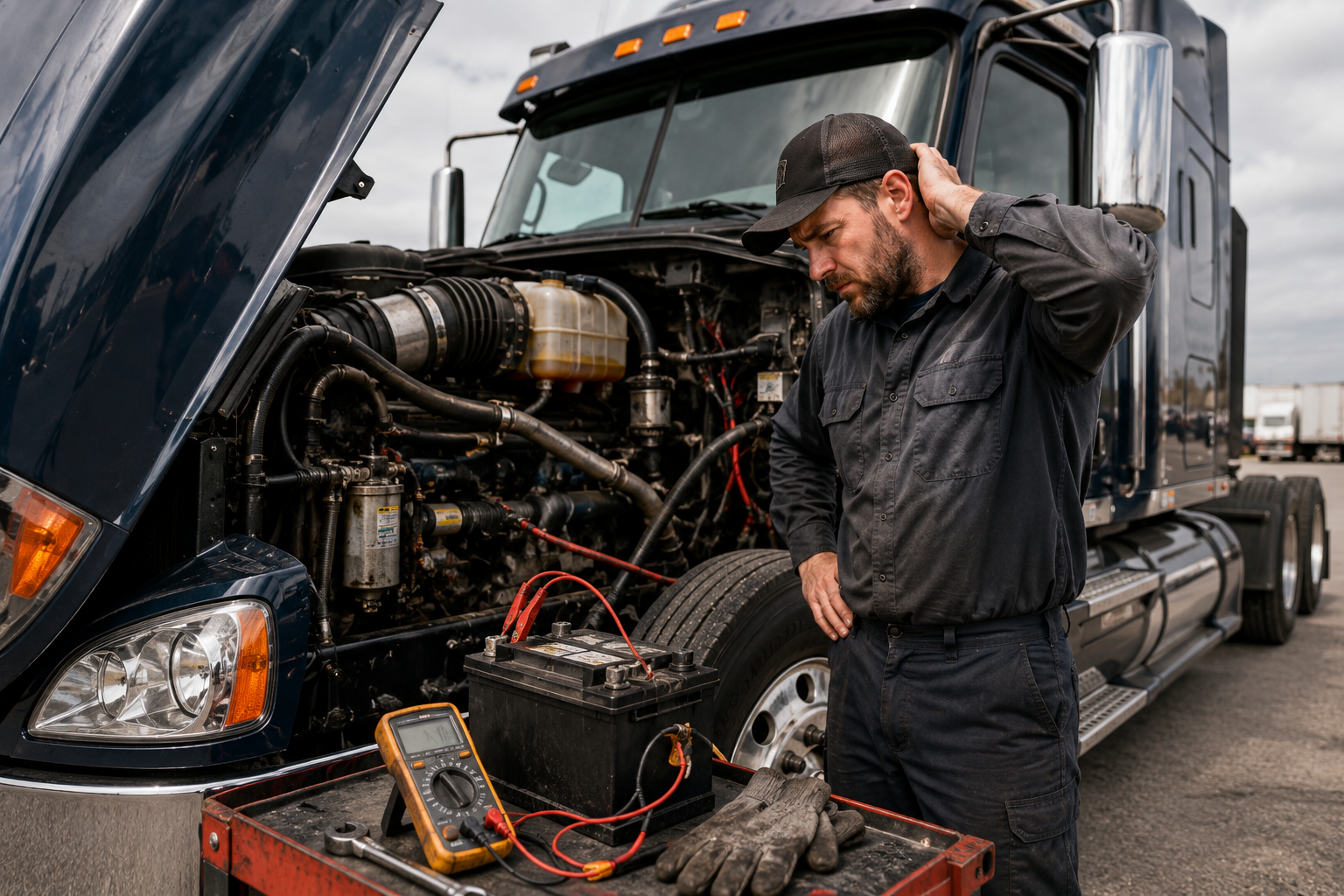
  • Heavy-duty jumper cables or jump box

We frequently see trucks immobilized due to gelled fuel or frozen air brake lines. Carrying additives and filter swaps can sometimes prevent the need for a service call.


5. Tools and Repair Supplies

  • Basic tool kit (screwdrivers, pliers, socket set, utility knife)

  • Tire pressure gauge

  • Duct tape and electrical tape

  • Zip ties, wire connectors, and fuses

  • WD-40 or penetrating oil

  • Shop towels or rags

  • Spare belts or clamps (if pre-approved for self-repair by fleet policy)

These items allow for basic temporary fixes to keep you going until help arrives—or to prevent further damage during a wait.


6. Communication and Power


  • Fully charged cell phone and power bank

  • CB radio or satellite messenger (for no-service areas)

  • Portable power station (optional but useful)

  • 12V charging cables for devices

In Southern Colorado, it’s not uncommon to lose cell service on rural highways. Having a backup form of communication can save time and reduce risk during a breakdown.


7. Documentation and Navigation

  • Printed maps or route plan (especially when detours happen)

  • Emergency contact numbers (dispatch, shop, CCC Repair)

  • DOT documentation and inspection checklist

  • Pen and notepad for incident reporting

Don’t assume your GPS or ELD will work 100% of the time in remote areas. Keeping a printed route or contact list ensures you’re never stuck without a plan.

CCC Repair’s Recommendations for Fleet Managers

If you manage multiple trucks in a fleet, consider implementing standardized emergency kit policies for drivers—especially those on regional routes through mountain territory.

Fleet benefits of standardizing kits:

  • Reduced emergency call costs

  • Safer wait times during breakdowns

  • Higher DOT inspection scores with properly stocked gear

  • Easier post-incident reporting and documentation

  • Peace of mind for dispatchers and safety managers

We can help fleet teams inspect, stock, and update kits seasonally, and perform winter readiness inspections before the worst weather hits.

What CCC Technicians See Most Often in Winter Emergencies

After years of serving stranded drivers across Colorado, we’ve noticed a pattern in what makes breakdowns worse—or more manageable.

Top problems when kits are missing:

  • Drivers without chains stuck on passes

  • Dead batteries with no jumper cables

  • Gelled fuel without additive available

  • Broken lights or wiring with no roadside tools

  • Cold-exposed drivers without warm clothing

Every one of these issues could be reduced or avoided with a properly stocked emergency kit.

Frequently Asked Questions

Are tire chains required in Colorado?

Yes. From September through May, Colorado enforces
chain laws on mountain routes such as I-70, US 160, and Raton Pass. All trucks over 26,000 lbs must carry chains when chain law is active.

How often should I check my emergency kit?

Review your kit
before every long trip, and restock it seasonally—especially before fall and winter. Replace expired food, check tool condition, and confirm batteries are charged.


Can CCC help if I break down without any gear?

Absolutely. While we encourage all drivers to carry a kit, CCC Repair offers
24/7 emergency truck repair, battery jump-starts, fuel treatments, air line repairs, and more throughout Southern Colorado.

Be Prepared—Not Stranded

When you’re driving in Colorado, especially during the winter months, being prepared is not optional—it’s a necessity. The right emergency kit can be the difference between a stressful delay and a dangerous situation.

Whether you're prepping your truck or your fleet for the season, CCC Repair and Trucking is your go-to partner for winter inspections, mobile repairs, and cold-weather breakdown response.

Silver Ferrari brake assembly with drilled disc and caliper, on a pallet.
January 6, 2026
Air or hydraulic brakes? CCC Repair handles both with 24/7 mobile truck brake repair in Trinidad, CO and beyond. Call for fast DOT-compliant service.
Person in orange safety gear near a Seaboard Transport tanker truck, surrounded by traffic cones, on asphalt.
December 22, 2025
Flickering lights or no power to your trailer? CCC Repair offers fast trailer electrical service in Trinidad, CO and beyond. 24/7 mobile service available.
Semi-truck driving on a snow-covered road at night, headlights on.
By Mint Wattanarungsun November 18, 2025
Prevent common winter diesel truck issues like fuel gelling, frozen air lines, and dead batteries. CCC Repair offers 24/7 roadside service in Southern Colorado.
Person driving a car, looking at a snowy mountain scene through the windshield.
By Mint Wattanarungsun November 3, 2025
From steep grades to snowstorms, Colorado roads can be tough on trucks. Learn the hazards to watch for and how CCC Repair helps you stay road-ready.
Truck driver smiling in his cab. Wearing a cap and bright yellow shirt.
By Mint Wattanarungsun October 17, 2025
Stay compliant with full DOT inspections, on-site repairs, and fleet support from CCC Repair in Trinidad, CO. Serving Southern Colorado 24/7.
Mechanic working on a truck engine, wearing a jumpsuit and gloves.
By Mint Wattanarungsun October 2, 2025
Discover why truck batteries fail and how to avoid breakdowns. CCC Repair offers 24/7 battery replacement and diagnostics in Southern Colorado.
Mechanic in blue work clothes repairs truck engine, outdoors.
By Mint Wattanarungsun September 17, 2025
Waiting to fix truck problems can cost you thousands. Learn why smart maintenance saves money—and how CCC Repair keeps you rolling 24/7.
Two men talking in a dimly lit truck repair shop, red truck in foreground, white truck elevated.
By Mint Wattanarungsun September 1, 2025
Warning lights on your truck? CCC Repair in Trinidad, CO offers 24/7 mobile diagnostics. Learn what each light means and when to call for help.
A mechanic working on a red vehicle's engine
August 12, 2025
Need diesel truck repairs in Southern Colorado? CCC Repair in Trinidad offers 24/7 mobile service, fast turnaround, and expert technicians.
The underside of a car with a shock absorber and a tire.
July 28, 2025
Experiencing tire wear, bounce, or steering issues? CCC Repair handles heavy-duty suspension repair for commercial trucks in Southern Colorado.
Show More