Whether you're an independent trucker or managing a fleet, a
DOT roadside inspection can be a routine check—or a costly delay. In Colorado, where commercial traffic travels through rural highways and steep mountain passes, inspections are frequent, especially near
Trinidad,
Walsenburg, and major routes like
I-25 and
US 160.
At CCC Repair and Trucking, we regularly help drivers pass DOT inspections by providing
brake checks, light repairs, air system diagnostics, and pre-trip inspections. In this guide, we’ll explain what to expect during a DOT inspection in Colorado, how to prepare your truck and trailer, and how our team can help you stay compliant and on the road.
Why Colorado Sees Frequent Truck Inspections
Colorado’s rugged terrain and extreme weather make
vehicle safety a top priority for law enforcement and the
Federal Motor Carrier Safety Administration (FMCSA). In high-traffic or mountainous areas, Colorado State Patrol officers often perform
random Level I–VI DOT inspections at:
- Weight stations (e.g., in Trinidad or Loma)
- Ports of entry
- Truck stops
- Roadside pull-offs
If your vehicle or trailer shows
visible signs of wear, missing lights, or brake imbalance, you’re more likely to be stopped.
The 6 Levels of DOT Truck Inspections
DOT inspections are standardized across all states and are classified into six different levels. Here’s what each one includes:
Level I – North American Standard Inspection
This is the most thorough inspection. The officer examines the driver’s documents and inspects the vehicle’s mechanical systems including:
- Brakes (including slack adjusters and air pressure)
- Tires and wheels
- Suspension
- Coupling devices
- Lights and reflectors
- Fuel and exhaust systems
- Load securement
- Emergency equipment
- Driver credentials and hours-of-service logs
CCC Tip: This inspection type is the most common in Colorado and can take 30–60 minutes.
Level II – Walk-Around Inspection
Similar to Level I but excludes components that require getting under the vehicle. Officers still check brakes, lights, tires, and documents.
Level III – Driver-Only Inspection
Focuses on the driver’s compliance with FMCSA regulations:
- CDL license and endorsements
- Medical certificate
- Record of duty status
- Inspection reports
- Carrier registration
Level IV – Special Inspection
Typically done as part of a study or to examine a specific safety issue (e.g., air brake performance).
Level V – Vehicle-Only Inspection
This is a mechanical inspection without the driver present, often performed at carrier facilities.
Level VI – Enhanced Hazardous Materials Inspection
For vehicles transporting radioactive or hazardous materials, with extra documentation and equipment checks.
Common Violations Found in Colorado DOT Inspections
These are the top issues we see that result in
out-of-service citations or
CSA score penalties:
- Brake system violations (air leaks, misadjusted slack adjusters)
- Inoperative lights (clearance, brake, turn signals)
- Flat or underinflated tires
- Faulty coupling devices or safety chains
- Oil or fuel leaks
- Loose cargo securement
- Expired registration, medical card, or ELD malfunctions
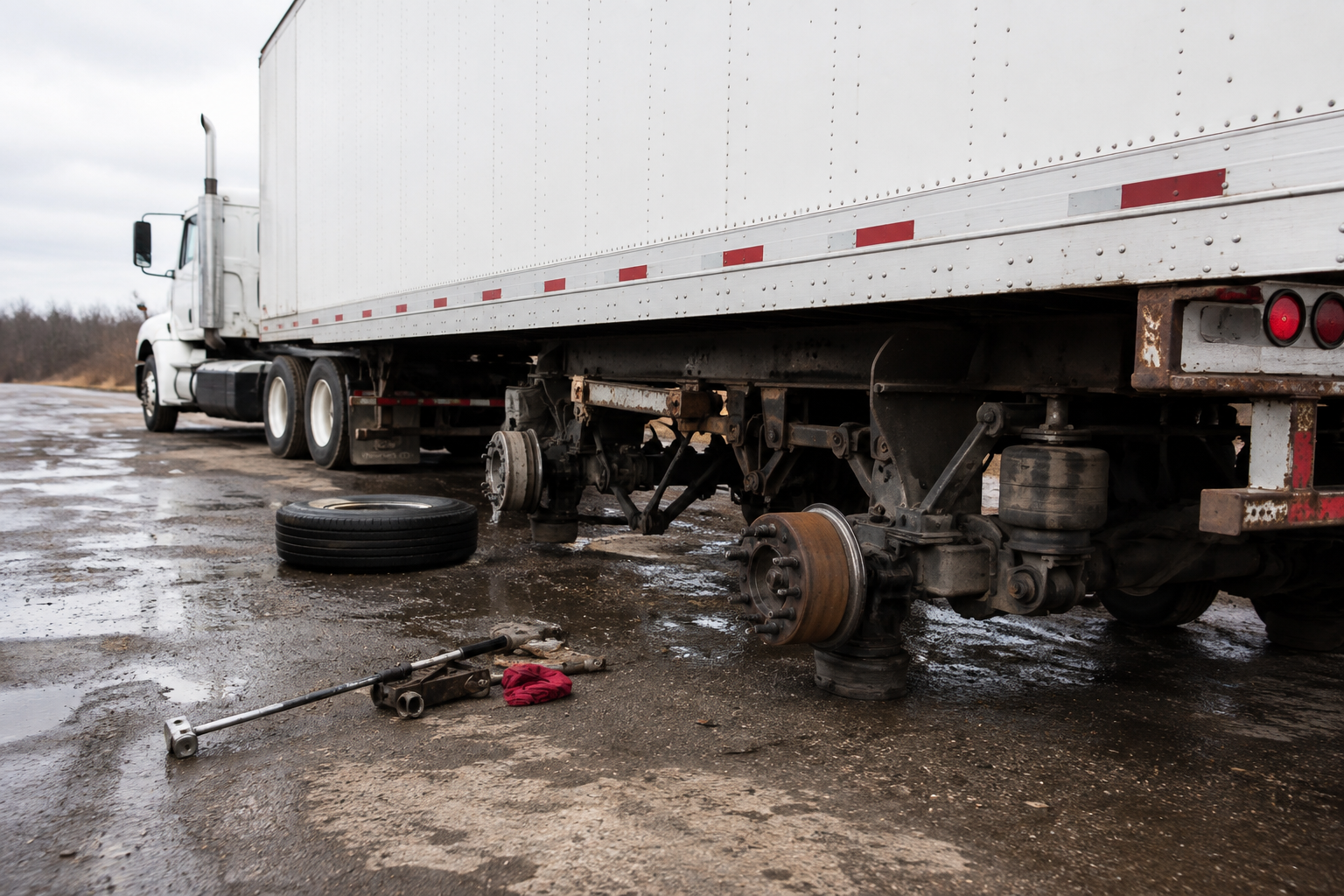
- Cracked brake drums or worn linings
- Windshield cracks in driver’s view
- Air line chafing on trailers
Most of these problems are
preventable with regular inspections and timely repairs—something CCC Repair specializes in.
How to Prepare Your Truck for a Colorado DOT Inspection
Whether you’re rolling through Trinidad or approaching the chain-up zone near Raton Pass, use this pre-inspection checklist:
Driver Checklist:
- Valid CDL and medical card
- Updated registration and insurance documents
- Logs and ELD data available for inspection
- Emergency equipment (3 reflective triangles, fire extinguisher, spare fuses)
- HOS (hours-of-service) logs are current and compliant
Vehicle Checklist:
- All lights working (headlights, taillights, turn signals, clearance lights)
- Air pressure builds to 100–125 psi within 2 minutes
- No audible air leaks or visible brake damage
- Tire tread depth meets minimum (4/32” steer, 2/32” drive/trailer)
- Lug nuts torqued and no cracks in rims
- No fluid leaks under engine or trailer
- Load properly secured with straps or chains
- Reflectors and DOT tape visible and undamaged
- Windshield wipers and washer fluid functioning
- Horn and mirrors in working condition
If any item fails inspection, it may result in a citation, OOS order, or CSA score impact.
What CCC Repair and Trucking Offers for DOT Compliance
We provide
in-shop and mobile inspection support to help you pass your DOT check the first time.
Pre-Trip Inspections (Air + Hydraulic Brakes, Tires, Lights)
We perform Level I-style inspections to catch common violations before you hit the road.
Brake Adjustments and Repairs
Our technicians check slack adjusters, drums, shoes, and air lines and perform mobile repairs onsite.
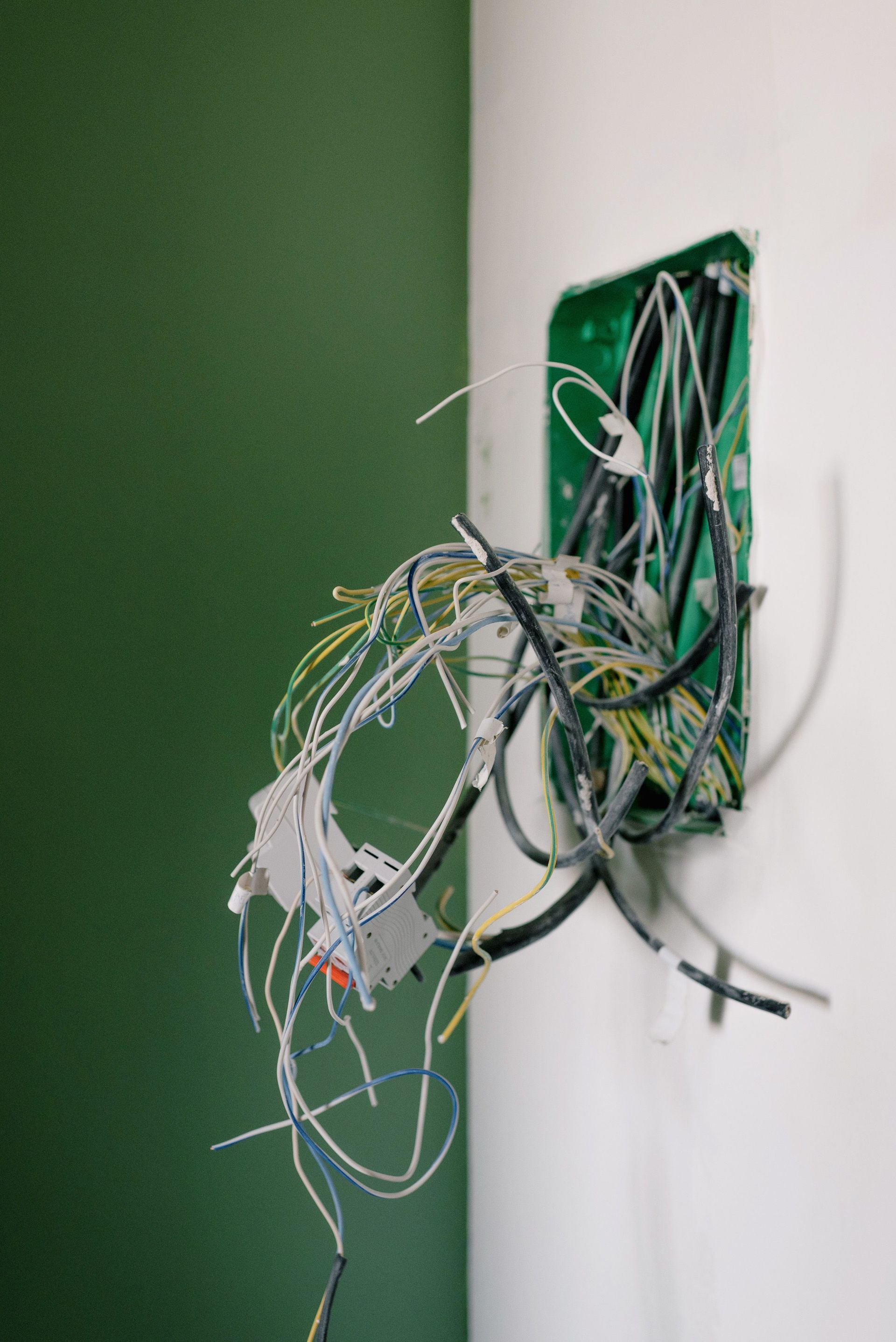
Lighting System Checks and Rewiring
We replace burned-out bulbs, corroded plugs, and broken reflectors with DOT-approved parts.
DOT-Certified Part Replacement
We use compliant components including chambers, valves, suspension parts, and lighting.
Mobile Service 24/7
If you get flagged during a roadside inspection, call us. We can often fix the issue roadside and help you avoid a tow or extended delay.
Real DOT Inspection Service Calls We’ve Handled
Case 1 – Trinidad, CO:
A fleet driver failed a Level I inspection due to
a cracked brake drum and one misadjusted slack adjuster. CCC Repair replaced the drum and recalibrated the slack adjuster at the truck stop.
Case 2 – Raton Pass:
Driver pulled over during a random inspection for
inoperable trailer lights. We diagnosed a failed 7-way plug and wiring corrosion, replaced it onsite, and restored lighting within 30 minutes.
Case 3 – Walsenburg:
Hydraulic brake truck cited for
low brake fluid and visible seepage at a caliper. Our mobile unit replaced the caliper and bled the system to restore stopping power.
Frequently Asked Questions
How long does a Level I inspection take?
Usually between
30 and 60 minutes, depending on vehicle condition and documentation readiness.
Can I fix an inspection failure roadside with CCC Repair?
Yes. We often respond to inspection failures in the field and repair violations on the spot to get you back on the road.
Does CCC offer DOT pre-checks before a long haul?
Absolutely. We recommend a
Level I-style pre-trip inspection before any long-distance or mountain run, especially during peak enforcement months.
Don’t Let DOT Violations Slow You Down
Passing a DOT inspection isn't just about compliance—it’s about safety, reliability, and protecting your livelihood. At CCC Repair and Trucking, we help drivers and fleets stay on the right side of the law with
expert pre-inspection services, mobile repairs, and compliance-focused maintenance.
Whether you’ve failed a roadside check or want peace of mind before a major haul, call us today.