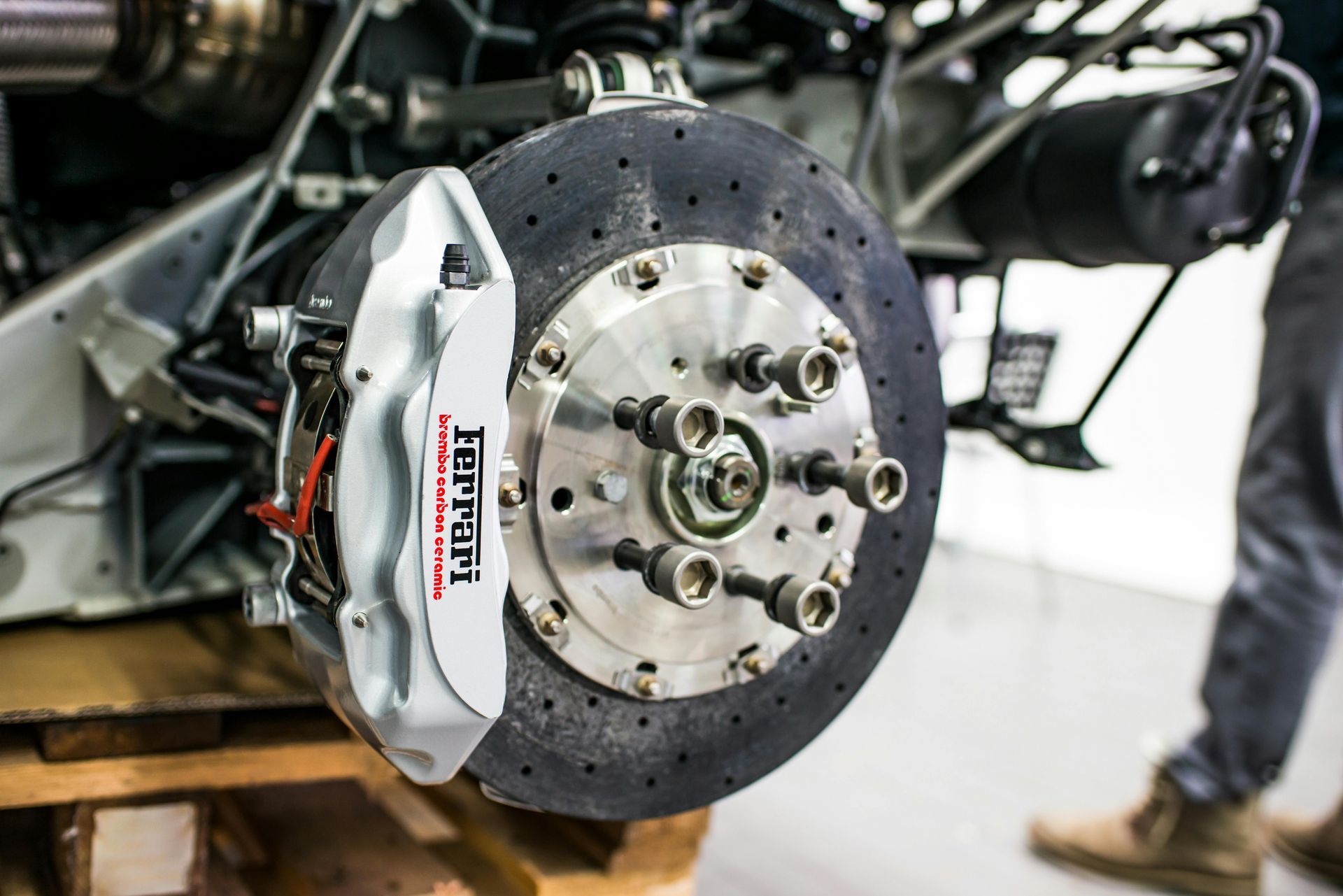
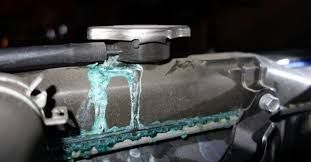
Breakdowns rarely happen without warning. In most cases, there were early signs: a small coolant leak, uneven tire wear, slow air pressure build, or a battery that struggled in cold weather. Preventative maintenance is what catches those problems before they become roadside emergencies.
For owner-operators and fleet managers in Southern Colorado, preventative maintenance is not just about extending engine life. It is about protecting revenue, maintaining DOT compliance, and avoiding costly downtime on remote highways like I-25 and US 160.
At CCC Repair and Trucking in Trinidad, Colorado, we help drivers develop realistic maintenance schedules that match their mileage, terrain, and operating conditions. This guide outlines what a strong preventative maintenance program looks like and how to apply it in real-world trucking operations.
Why Preventative Maintenance Matters More in Colorado
Southern Colorado presents unique challenges:
- Steep grades and mountain passes
- High elevation affecting turbo and cooling systems
- Extreme winter temperatures
- Long rural stretches with limited repair access
- Heavy summer heat affecting tires and electrical systems
These conditions accelerate wear on brakes, cooling systems, suspension, and batteries. A standard maintenance schedule may not be enough if you regularly haul through elevation changes or operate in severe weather.
Preventative maintenance reduces:
- Emergency repair costs
- Towing expenses
- Load delays
- DOT violations
- Major engine failures
It also improves fuel economy and resale value.
Daily Pre-Trip Inspection Checklist
A proper preventative schedule begins before the truck leaves the yard.
Every driver should check:
- Tire pressure and visible damage
- Tread depth on steer and drive tires
- Air pressure buildup time
- Brake response
- Lights and signals
- Fluid levels including oil, coolant, and DEF
- Visible air or coolant leaks
- Windshield condition and wipers
- Trailer connections and glad hand seals
Five to ten minutes each day can prevent hours of downtime later.
Every 10,000 to 15,000 Miles
This is typically aligned with an oil change interval, though some engines vary.
Recommended service:
- Engine oil and filter replacement
- Fuel filter replacement
- Air filter inspection
- Full chassis lubrication
- Brake visual inspection
- Suspension component check
- Belt inspection
- Battery terminal cleaning
- Scan for stored fault codes
Even if no warning lights are active, scanning the ECM can reveal developing issues before they trigger derate.
Every 25,000 to 30,000 Miles
This interval focuses on systems that wear more gradually.
Recommended service:
- Brake adjustment and measurement
- Air dryer inspection
- Cooling system pressure test
- Differential fluid inspection
- Transmission fluid inspection
- Tire rotation or balancing if needed
- Alignment check
- Full air leak test
For trucks running heavy loads through mountains, brake inspections should occur more frequently.
Every 50,000 to 75,000 Miles
At this stage, deeper system inspections are critical.
Recommended service:
- Replace air dryer cartridge
- Inspect turbocharger for shaft play or oil seepage
- Flush and replace coolant if required by manufacturer
- Inspect DPF system performance
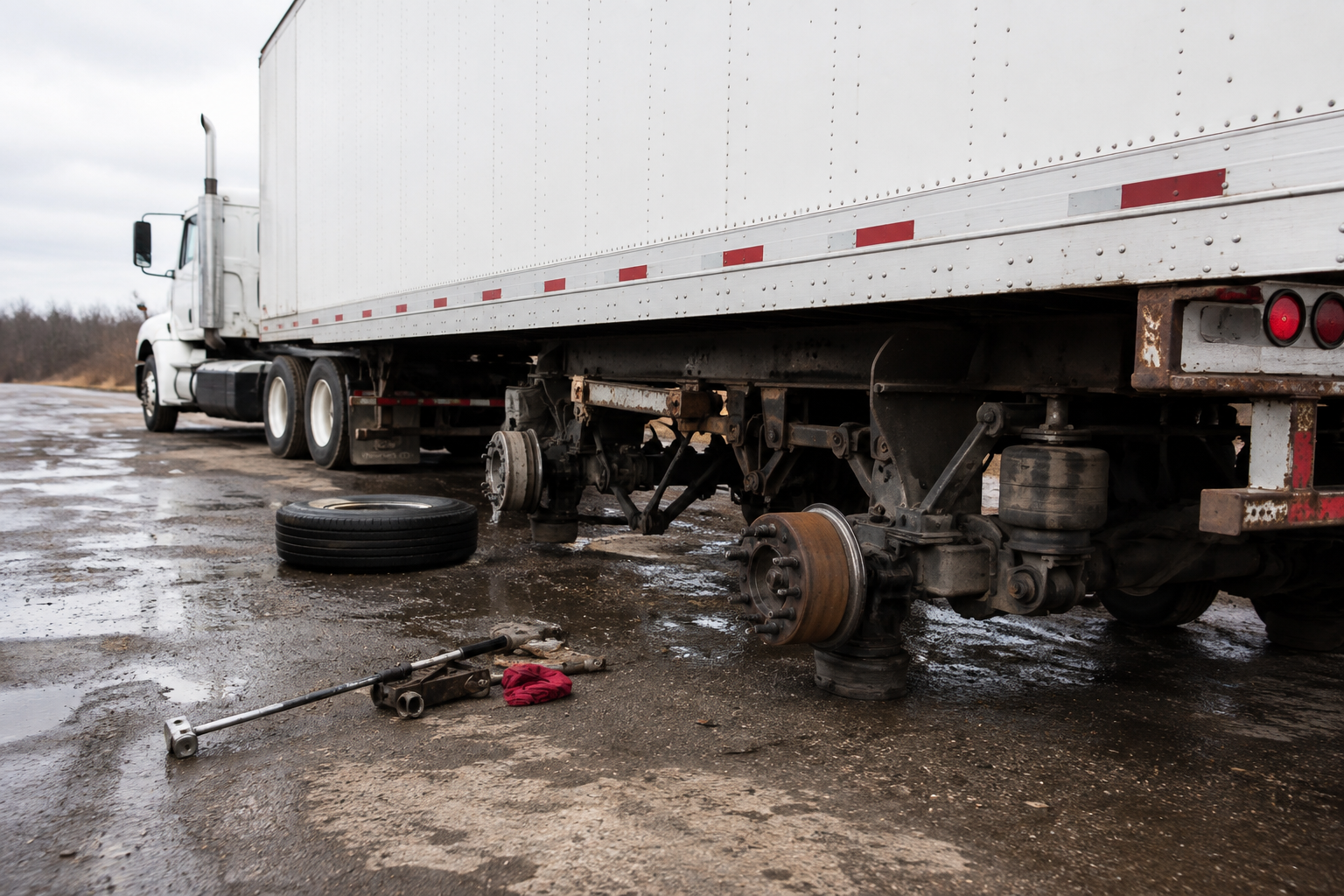
- Check wheel bearings
- Inspect driveline components
- Inspect steering linkage
- Test alternator output under load
Ignoring maintenance at this stage increases the risk of expensive failures.
Annual Maintenance Requirements
At least once per year, trucks should receive a comprehensive inspection aligned with DOT standards.
Annual service should include:
- Full DOT inspection
- Brake system tear-down inspection if needed
- Complete suspension inspection
- Replace worn hoses and belts proactively
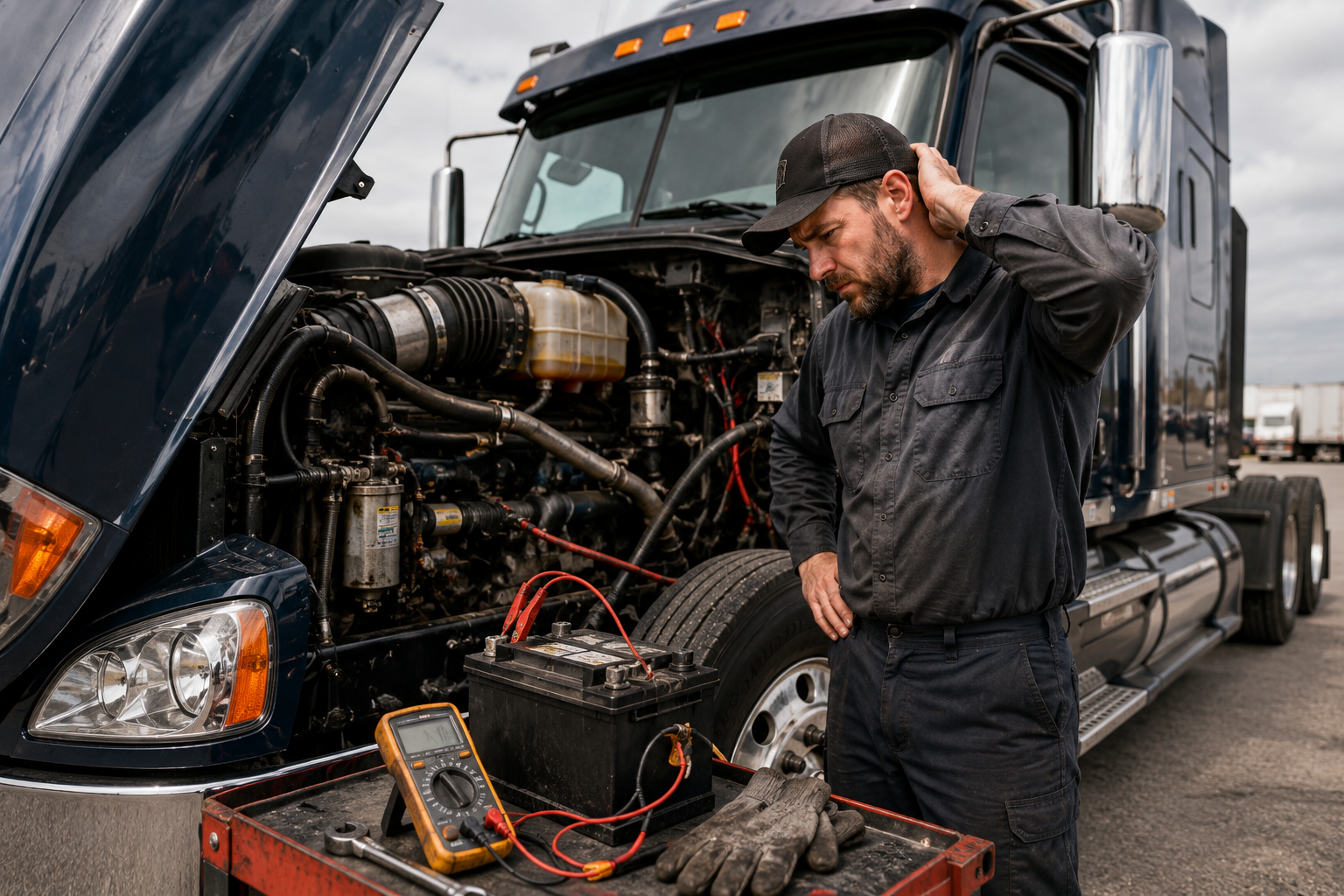
- Battery load testing
- Detailed electrical system inspection
- Exhaust system inspection including clamps and mounts
- Cab heater and defroster test
Fleet operators benefit from scheduling annual inspections during slower operational months.
Special Considerations for High-Mileage Trucks
Trucks exceeding 500,000 miles require additional monitoring.
High-mileage focus areas:
- Injector performance
- Oil consumption tracking
- Compression testing if needed
- Turbocharger efficiency
- Cooling fan clutch operation
- Radiator condition
- Engine mount integrity
Preventative replacement of aging components can prevent catastrophic breakdowns.
Seasonal Maintenance Adjustments
Colorado’s seasonal shifts require adjustments to maintenance schedules.
Before winter:
- Test batteries and replace weak units
- Check block heater functionality
- Replace worn belts and hoses
- Treat fuel systems
- Inspect air dryer system
- Install winter-grade oil if required
Before summer:
- Inspect cooling system thoroughly
- Pressure test radiator cap
- Inspect fan clutch
- Replace worn tires
- Inspect AC system for driver comfort
Seasonal preparation significantly reduces emergency calls.
Fleet Maintenance Planning
For fleet managers, reactive repair costs multiply quickly across multiple vehicles.
Best practices include:
- Mileage tracking software
- Centralized maintenance logs
- Scheduled inspection days
- Standardized pre-trip checklists
- Dedicated repair partner
- Quarterly performance reviews
CCC Repair and Trucking supports fleets with recurring service programs and documented inspection tracking.
Warning Signs That Maintenance Is Overdue
Even with a schedule in place, pay attention to:
- Increased fuel consumption
- Excessive brake dust
- Slow air pressure buildup
- Frequent warning lights
- Excessive vibration
- Hard starts
- Suspension sagging
These symptoms suggest deeper issues that require immediate inspection.
Financial Benefits of Preventative Maintenance
The cost of routine service is significantly lower than emergency repair.
For example:
- Oil change: a few hundred dollars
- Engine rebuild: ten thousand dollars or more
- Brake adjustment: under five hundred dollars
- Full brake replacement after failure: several thousand dollars
- Battery replacement proactively: a few hundred dollars
- Roadside tow plus battery failure: over one thousand dollars
Preventative maintenance protects profit margins.
How CCC Repair Supports Maintenance Programs
CCC Repair and Trucking offers:
- Scheduled oil and filter service
- Brake inspections and adjustments
- Full air system diagnostics
- Electrical system testing
- Battery replacement
- Cooling system service
- DOT inspections
- Mobile maintenance services
We maintain detailed service records to help owner-operators and fleets stay compliant and organized.
Frequently Asked Questions
How often should I change oil in a diesel truck?
Most heavy-duty engines require service every 10,000 to 15,000 miles, depending on load and manufacturer recommendations.
Is preventative maintenance required for DOT compliance?
While DOT does not mandate a specific schedule, vehicles must be maintained in safe operating condition at all times.
Can preventative maintenance be done roadside?
Some services can be performed mobile, including battery replacement, diagnostics, and certain air system repairs. Larger services are best handled in-shop.
Does preventative maintenance improve fuel economy?
Yes. Clean filters, proper tire inflation, and properly functioning injectors all improve efficiency.
Keep Your Truck Running Strong Year-Round
Preventative maintenance is not an expense. It is an investment in reliability, compliance, and profitability. For drivers operating across Southern Colorado’s demanding terrain, staying ahead of mechanical wear is essential.
CCC Repair and Trucking
9611 County Rd 20.8
Trinidad, CO 81082
Phone: 719-859-2111
Email: castillof99@yahoo.com
Serving owner-operators and fleets across Southern Colorado with professional diesel repair and maintenance, 24 hours a day, seven days a week.