Your air brake system is the single most important safety system on your commercial truck. Unlike hydraulic brake systems in passenger vehicles, heavy-duty trucks rely on compressed air to engage and release braking components. When air brake issues develop, they can escalate quickly into dangerous driving conditions or immediate out-of-service violations during a DOT inspection.
In Southern Colorado, where drivers frequently navigate steep grades, long descents, and changing weather conditions, brake reliability is critical. At CCC Repair and Trucking in Trinidad, Colorado, air brake system problems are among the most urgent service calls we receive.
Understanding how air brakes function, the early warning signs of failure, and how to prevent major issues can protect your safety, your load, and your livelihood.
How Air Brake Systems Work
Air brake systems operate using compressed air rather than hydraulic fluid. The system includes:
Air compressor
Air tanks
Air dryer
Brake chambers
Slack adjusters
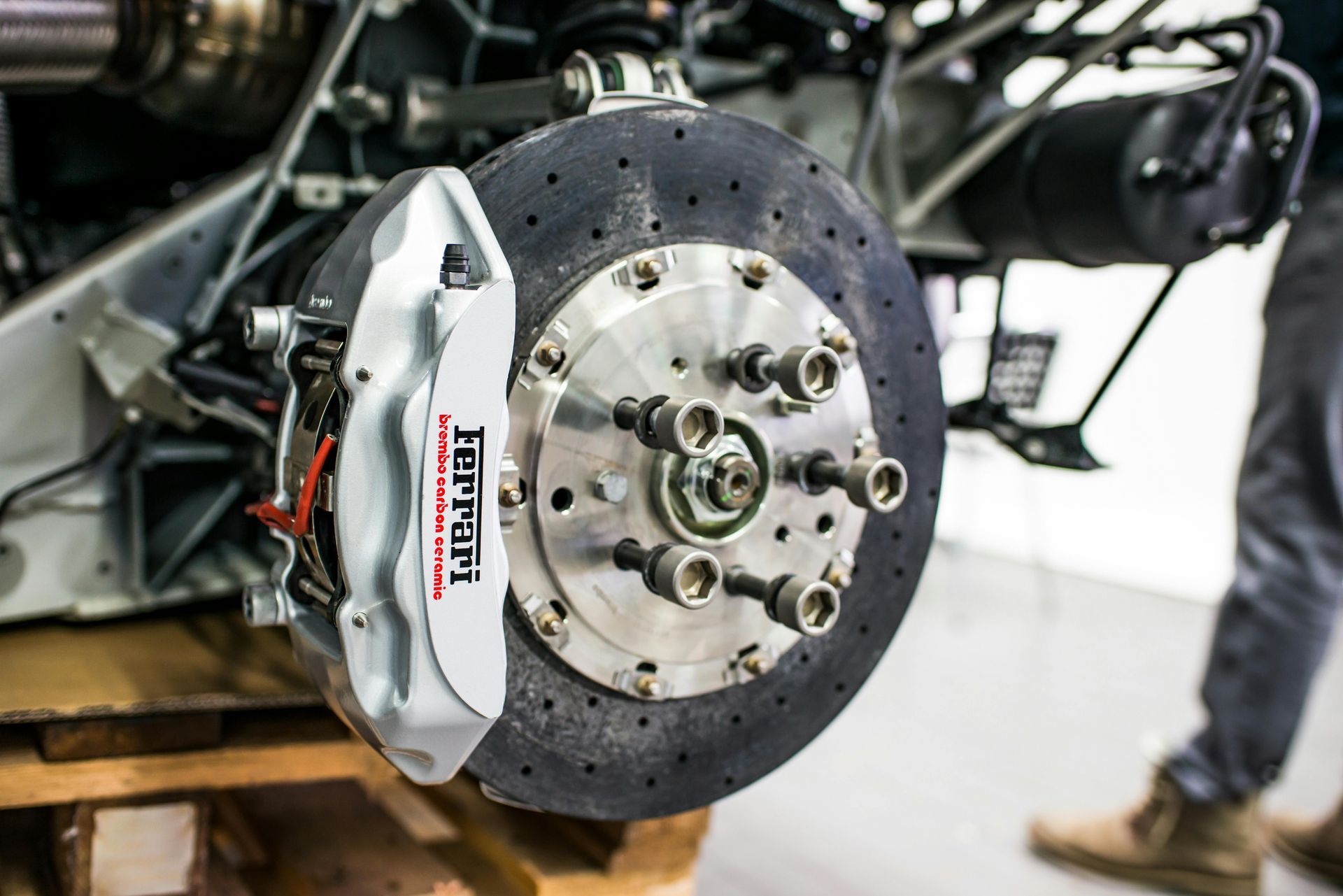
Brake drums or discs
Valves and lines
Emergency and parking brake components
The engine-driven air compressor builds pressure and stores it in tanks. When the brake pedal is pressed, air pressure travels through valves and lines to activate brake chambers, which apply force to the brake shoes or pads.
Air brakes are designed as a fail-safe system. If air pressure drops too low, spring brakes engage automatically to stop the vehicle. While this design enhances safety, it can also leave a truck immobilized if air pressure cannot be restored.
Early Warning Signs of Air Brake Problems
Brake system issues rarely appear without symptoms. Recognizing early signs allows for timely repair before a roadside emergency.
Air Pressure Warning Light or Buzzer
If your dashboard air pressure warning activates, pressure has dropped below safe operating levels. This should never be ignored.
Normal operating pressure typically ranges between 100 and 125 PSI. If pressure drops below 60 PSI, spring brakes may engage.
Slow Air Pressure Build-Up
If it takes longer than normal for your truck to build pressure after startup, possible causes include:
Air compressor wear
Air dryer restriction
Air line leaks
Governor malfunction
Slow pressure buildup increases risk of brake failure under load.
Audible Air Leaks
A steady hissing sound when parked often signals a leak in:
Brake chambers
Air lines
Fittings
Glad hands
Air tanks
Even small leaks can lead to significant pressure loss over time.
Uneven Braking
If the truck pulls to one side during braking, possible causes include:
Out-of-adjustment slack adjusters
Uneven brake shoe wear
Damaged brake chamber
Contaminated brake linings
Uneven braking reduces stopping efficiency and increases accident risk.
Excessive Brake Pedal Travel
If the brake pedal feels soft or requires deeper travel than normal, slack adjusters may need adjustment, or air pressure may be insufficient.
Common Causes of Air Brake System Failure
Air Leaks
Air leaks are the most common air brake issue. Leaks may occur at:
Hose connections
Brake chambers
Air tanks
Glad hand couplers
Valve assemblies
Cold weather in Southern Colorado can cause rubber components to contract, worsening leaks.
Worn Slack Adjusters
Slack adjusters maintain proper brake shoe distance from the drum. If they fall out of adjustment, braking performance declines.
Automatic slack adjusters still require regular inspection.
Air Dryer Failure
The air dryer removes moisture from compressed air. If it fails, water accumulates in air tanks and lines, leading to corrosion and freezing in winter.
Brake Chamber Failure
Brake chambers contain internal diaphragms that convert air pressure into mechanical force. If the diaphragm ruptures, braking efficiency drops.
Contaminated Brake Linings
Oil or grease contamination reduces friction and braking effectiveness.
DOT Inspection Risks
Air brake violations are among the most common reasons trucks are placed out of service.
DOT inspectors check:
Air pressure build rate
Air leak rate
Slack adjuster travel
Brake lining thickness
Air tank drainage
Warning light functionality
If your truck exceeds allowable air leak rates or brake adjustment limits, it may be deemed unsafe to operate.
Out-of-service violations impact CSA scores and may lead to fines and delivery delays.
Mountain Driving and Brake Stress
Southern Colorado’s terrain increases brake stress significantly.
Long descents generate sustained braking heat.
Heavy loads increase stopping distance.
Frequent grade changes strain brake components.
Cold weather increases air system moisture risks.
Using engine braking properly reduces air brake strain during descents.
Preventative Maintenance for Air Brake Systems
Drain Air Tanks Regularly
Moisture buildup leads to corrosion and freezing. Daily draining is recommended, especially in winter.
Replace Air Dryer Cartridge Annually
A functioning air dryer prevents water contamination.
Inspect Slack Adjusters Frequently
Ensure proper adjustment and travel measurement.
Check Brake Lining Thickness
Worn linings reduce stopping power.
Conduct Air Leak Tests
Measure pressure drop when parked and brakes released.
When to Stop Driving Immediately
Discontinue operation if:
Air pressure drops below safe limits
Spring brakes engage unexpectedly
Brake pedal feels unresponsive
Air leak is severe and continuous
Truck cannot build pressure
Operating under these conditions is unsafe and illegal.
How CCC Repair Diagnoses Air Brake Problems
At CCC Repair and Trucking, we perform comprehensive air brake diagnostics.
Air pressure build-rate testing
Air leak detection
Slack adjuster measurement
Brake chamber inspection
Air dryer performance testing
Valve inspection
Full DOT brake compliance checks
Our goal is to correct both immediate failures and underlying causes.
Roadside Air Brake Repair
Many air brake issues can be addressed roadside.
We provide:
Air line replacement
Brake chamber replacement
Slack adjuster repair
Glad hand seal replacement
Air tank inspection
Air dryer service
Severe brake drum or lining issues may require in-shop repair.
The Cost of Ignoring Air Brake Problems
Minor air line repair: moderate expense
Brake chamber replacement: manageable cost
Air dryer replacement: moderate repair
Complete brake system overhaul: significant investment
Out-of-service violation: lost revenue and penalties
Addressing early symptoms reduces both financial and safety risks.
Frequently Asked Questions
How often should air brakes be inspected?
At minimum during every service interval, and more frequently for high-mileage trucks.
What is the allowable air leak rate?
DOT guidelines specify minimal pressure loss per minute depending on vehicle configuration.
Can cold weather affect air brakes?
Yes. Moisture can freeze in lines if the air dryer fails.
Are automatic slack adjusters maintenance-free?
No. They require inspection and proper operation checks.
Protect Your Most Critical Safety System
Air brake reliability is essential for safe operation, especially on steep Colorado highways. Early detection and professional repair prevent accidents, downtime, and costly violations.
CCC Repair and Trucking
9611 County Rd 20.8
Trinidad, CO 81082
Phone: 719-859-2111
Email: castillof99@yahoo.com
Providing professional commercial truck brake repair and emergency roadside service throughout Southern Colorado, 24 hours a day, seven days a week.