A commercial truck that will not start can bring an entire haul to a stop before the wheels even begin turning. You may have completed your pre-trip inspection, loaded the trailer, and prepared for the next run only to turn the key and hear a click, slow cranking, or nothing at all.
Starting problems are especially frustrating because several different systems can produce similar symptoms. A weak battery can look like a starter failure. A damaged cable can act like a dead battery. A faulty starter solenoid can prevent an otherwise healthy electrical system from cranking the engine.
At CCC Repair and Trucking in Trinidad, Colorado, we provide 24-hour truck repair and diagnostics for commercial drivers dealing with unexpected mechanical and electrical problems. Understanding the most common causes of starting trouble can help you recognize the problem sooner and avoid replacing parts unnecessarily.
How Does a Semi-Truck Starting System Work?
Starting a heavy-duty diesel engine requires significantly more electrical power than starting a typical passenger vehicle. Diesel engines use high compression, and the starter must generate enough torque to rotate the engine until combustion begins.
The starting system generally includes the batteries, battery cables, starter motor, starter solenoid, ignition circuit, electrical grounds, and related wiring.
When the driver turns the key or activates the start switch, an electrical signal reaches the starter solenoid. The solenoid allows high current from the batteries to reach the starter motor. The starter then engages the engine's flywheel and rotates the engine.
If any part of this process fails, the truck may crank slowly, click without cranking, or fail to respond entirely.
What Does It Mean When the Starter Just Clicks?
A clicking sound is one of the most common symptoms drivers report when a truck refuses to start.
One click may indicate that the starter solenoid is engaging but the starter motor cannot turn. Repeated rapid clicking often points toward inadequate battery voltage or a poor electrical connection.
Possible causes include a weak battery bank, corroded battery terminals, damaged battery cables, poor ground connections, a faulty starter solenoid, or an internally worn starter motor.
The sound alone does not prove that the starter needs replacement. Testing voltage and current delivery is important before installing expensive components.
Slow Cranking Can Be an Early Warning
A starter does not always fail suddenly.
You may notice the engine taking longer to turn over during the days or weeks before complete failure. The starter may sound slower in the morning and improve after the truck has been operating.
Slow cranking can result from weak batteries, excessive resistance in cables, worn starter components, poor grounding, or cold temperatures.
Drivers should not assume slow starting is simply normal for an older diesel truck. If cranking speed changes noticeably, the starting and charging systems should be inspected.
Addressing the issue while the truck still starts is considerably easier than dealing with a no-start condition at a loading dock, truck stop, or roadside location.
Weak Batteries Can Look Like Starter Failure
One of the biggest mistakes when diagnosing starting problems is assuming the starter is automatically responsible.
Commercial diesel trucks commonly use multiple batteries working together. One weak battery can affect the performance of the entire bank.
Signs of battery problems can include slow cranking, dim lights during startup, clicking from the starter, electronic systems resetting, and difficulty starting during cold weather.
Battery condition should be checked under load rather than relying only on static voltage.
A battery may show acceptable voltage while sitting but fail to provide sufficient current when the starter demands power.
This distinction is important because replacing a starter when the real problem is a weak battery does not solve the underlying issue.
Corroded and Loose Battery Connections
Battery cables carry a large amount of current during engine startup. Even a small amount of excessive resistance can prevent enough power from reaching the starter.
Commercial trucks operate in an environment that encourages connection problems. Moisture, road debris, winter conditions, vibration, and corrosion can all affect terminals and cables.
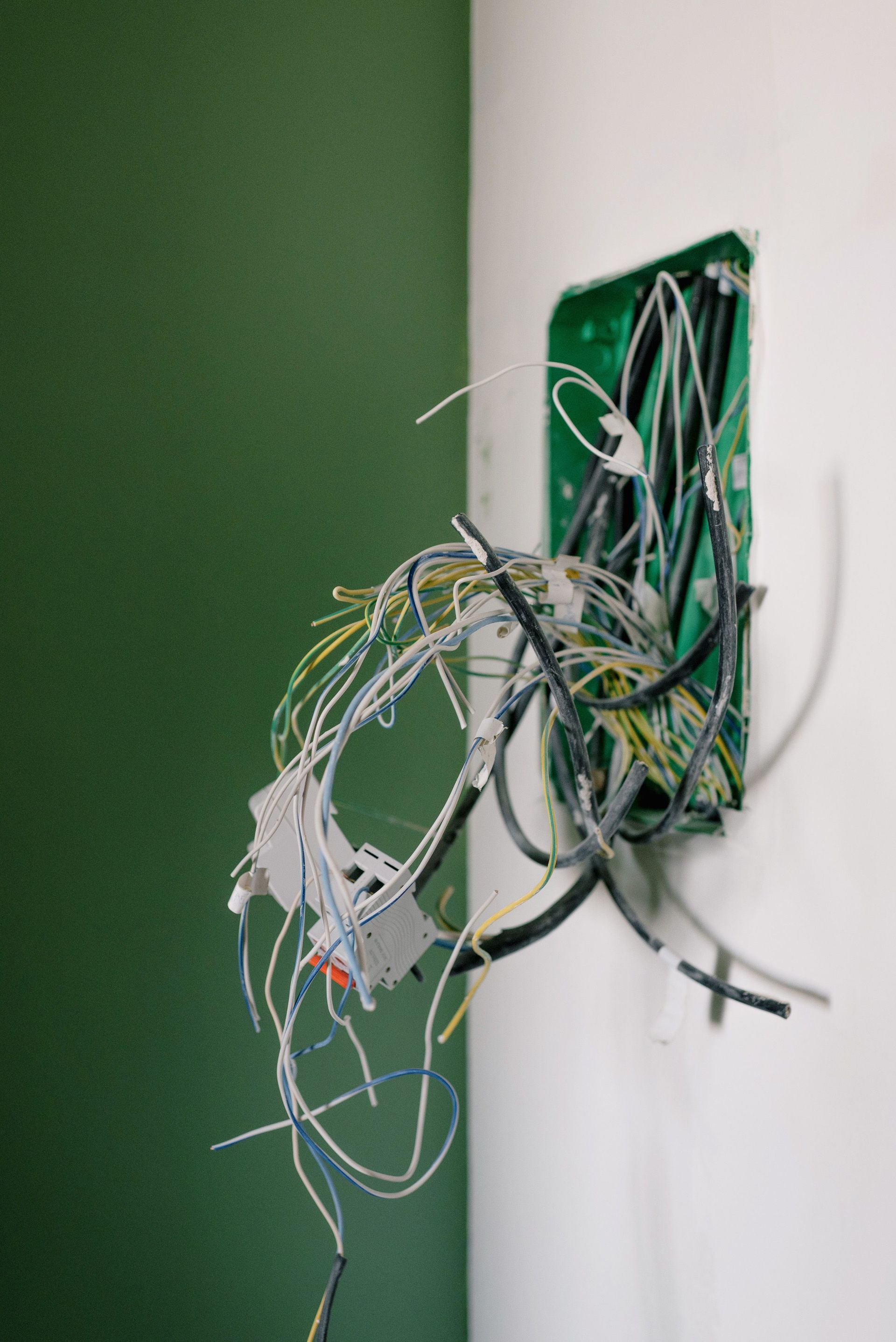
Inspect connections for corrosion, loose hardware, damaged insulation, frayed cable ends, and excessive heat.
Ground connections deserve equal attention. A poor engine or chassis ground can create symptoms that appear nearly identical to a failing starter.
Professional voltage-drop testing can identify resistance that may not be visible during a basic inspection.
What Causes a Semi-Truck Starter to Fail?
Starter motors work under substantial mechanical and electrical stress. Each time the engine starts, the starter must rotate a high-compression diesel engine from a complete stop.
Internal wear eventually affects components such as bearings, bushings, brushes, electrical contacts, and the starter drive.
Excessive cranking also accelerates wear. If an engine has fuel, sensor, or other problems that cause prolonged starting attempts, the starter is forced to operate much longer than intended.
Repeatedly cranking an engine that refuses to start can overheat the starter and damage electrical components.
Finding out why the engine requires extended cranking is therefore just as important as checking the starter itself.
Cold Weather Makes Starting Problems Worse
Southern Colorado winters can expose weaknesses that were not obvious during warmer months.
Battery performance decreases as temperatures fall, while cold engine oil creates additional resistance. The starter must work harder precisely when the batteries may be able to provide less power.
A truck that starts normally throughout summer may begin cranking slowly when temperatures fall.
Before winter, drivers and fleet operators should consider having batteries load tested, cable connections inspected, charging output checked, starter performance evaluated, and engine oil specifications reviewed.
Preparing before cold weather arrives can prevent an early-morning no-start situation.
Could the Alternator Be Responsible?
The alternator does not normally crank the engine, but it is responsible for recharging the batteries while the truck operates.
A weak or failing alternator can therefore create a starting problem later.
If the alternator does not replenish the battery bank properly during a run, the truck may start normally in the morning but refuse to restart after being shut down.
Other signs can include a charging warning, dim lighting, low voltage readings, electrical accessories behaving unpredictably, or batteries repeatedly losing charge.
Testing the complete starting and charging system helps distinguish between battery, alternator, wiring, and starter problems.
What Should You Check When Your Diesel Truck Won't Start?
If the truck fails to crank, begin by observing exactly what happens when you attempt to start it.
Do the dashboard lights illuminate normally? Do they dim dramatically when the key is turned? Is there one click, repeated clicking, slow cranking, or complete silence?
These details can help a repair technician narrow the problem.
Check accessible battery connections for obvious looseness or corrosion. Look for damaged cables or wiring. Confirm that the truck is correctly positioned in neutral or park as required by its transmission system.
Avoid repeatedly cranking the engine for extended periods. Excessive attempts can overheat the starter and drain the batteries, turning one problem into several.
If you cannot identify the cause quickly, professional diagnostics are the safer approach.
Why Accurate Diagnosis Matters
Starting systems are a good example of why replacing parts based on symptoms alone can become expensive.
Suppose a truck cranks slowly. Replacing the starter may appear reasonable, but if resistance in a battery cable is limiting current, the new starter will experience exactly the same problem.
A proper diagnosis may include battery load testing, charging system testing, starter current testing, cable inspection, ground inspection, voltage-drop testing, and electronic fault-code checks when relevant.
The goal is to repair the actual failure instead of guessing.
How Can You Reduce the Risk of Starter Problems?
Preventative maintenance can significantly reduce unexpected starting failures.
Battery terminals should remain clean and secure. Cables should be inspected for corrosion and damage. Batteries should be tested before periods of extreme cold. Charging system output should also be checked during routine maintenance.
Drivers should pay attention to changes in cranking speed. If an engine that normally starts quickly suddenly takes longer to turn over, investigate the change rather than waiting for complete failure.
It is also important to correct underlying engine problems that create extended cranking. A healthy starter should not have to compensate for fuel delivery, sensor, or engine performance issues.
Starting Problems Along I-25 and Near Trinidad
A no-start problem becomes particularly inconvenient when a truck is operating far from a major repair center.
Drivers traveling through Trinidad and Southern Colorado may be moving freight along I-25 or connecting with regional routes where repair options become limited, especially outside normal business hours.
That is why access to 24-hour commercial truck repair can make such a significant difference.
CCC Repair and Trucking is based at 9611 County Rd 20.8 in Trinidad and provides truck and trailer repair services around the clock. The company is family-owned, veteran-owned, licensed and insured, with extensive experience working on commercial vehicles.
Frequently Asked Questions About Semi-Truck Starter Problems
Why does my semi-truck click but not start?
Clicking can indicate low battery power, excessive resistance in a cable or ground connection, a faulty solenoid, or starter motor failure. Electrical testing is needed to determine the exact cause.
Can a bad battery damage a starter?
A weak electrical system can force the starter to work harder or crank for longer periods. Repeated low-voltage starting attempts can contribute to starter wear and overheating.
Why does my truck start when cold but not when the engine is hot?
Heat can affect worn starter components and electrical resistance. A starter that operates normally when cold but struggles after the engine warms up should be inspected.
Should I keep trying to start the truck if it will not crank?
Repeated attempts can drain the batteries and overheat the starter. If a few reasonable attempts do not work, stop and diagnose the problem rather than continuing to crank.
Can CCC Repair help with other electrical problems?
Yes. CCC Repair and Trucking provides electrical repair and engine diagnostics in addition to commercial truck repair, truck and trailer repair, brake service, tire repair or replacement, and repairs involving air and coolant leaks.
Get Your Truck Starting and Back on the Road
Starting problems can happen at the worst possible time, but the symptoms often provide valuable clues about what is failing. Slow cranking, clicking, intermittent starting, and repeated battery problems should be investigated before they develop into a complete no-start situation.
For commercial drivers around Trinidad and Southern Colorado, CCC Repair and Trucking provides 24-hour assistance for truck and trailer problems. Early diagnosis can help determine whether the problem is the starter, batteries, alternator, wiring, or another system affecting engine operation.
CCC Repair and Trucking
9611 County Rd 20.8
Trinidad, CO 81082
Phone: 719-859-2111
Email: castillof99@yahoo.com
Available 24 hours a day, seven days a week for commercial truck and trailer repair in and around Trinidad, Colorado.