A worn belt or damaged hose may look like a minor maintenance issue, but either can bring a commercial diesel truck to an immediate stop. A broken serpentine belt can affect the charging or cooling system, while a failed coolant hose can quickly lead to coolant loss and engine overheating. The best way to avoid these breakdowns is to identify cracking, fraying, leaks, swelling, unusual noises, and other warning signs before a component fails.
For owner-operators and commercial drivers traveling through Trinidad and Southern Colorado, belt and hose inspections are particularly important. Long highway runs, mountain grades, temperature changes, vibration, and heavy engine loads can expose weak components quickly.
Knowing what to inspect can help you catch a relatively manageable repair before it becomes an expensive roadside problem.
Why Are Belts and Hoses So Important on a Diesel Truck?
Heavy-duty diesel engines rely on multiple supporting systems to operate correctly. Belts transfer mechanical power to important accessories, while hoses carry coolant, air, and other fluids between components.
Depending on the truck and engine configuration, belts may help operate components such as the alternator, water pump, fan, or air-conditioning compressor.
Hoses are equally important. Cooling system hoses circulate coolant between the engine, radiator, and related components. Other hoses and lines may support air, heating, and additional vehicle systems.
Because these parts operate around heat, vibration, pressure, and moving components, they deteriorate over time.
A truck can have a healthy engine internally and still be disabled by a relatively inexpensive belt or hose.
What Are the Warning Signs of a Failing Diesel Truck Belt?
A belt should be inspected for more than complete breakage. Most belts show signs of deterioration before they fail.
Common warning signs include visible cracking, frayed edges, missing material, glazing, unusual belt noise, excessive movement, and contamination from oil or coolant.
A belt that appears shiny or polished may be slipping instead of gripping the pulleys properly. Fraying along one edge can indicate misalignment or a pulley problem rather than normal belt aging.
Squealing or chirping noises should also be investigated. Noise can be caused by a worn belt, but it may also indicate a weak tensioner, damaged pulley, or failing accessory bearing.
Replacing the belt without correcting the underlying problem may result in another failure.
What Happens When a Serpentine Belt Breaks?
The consequences depend on the engine configuration and which accessories are driven by the belt.
A belt failure may interfere with alternator output, coolant circulation, fan operation, or other systems. Dashboard warning lights may appear shortly after the belt breaks.
If the cooling system is affected, engine temperature can rise quickly. If the alternator stops charging, the truck may continue running temporarily on battery power, but electrical voltage will eventually fall.
Continuing to drive after a belt failure can turn a straightforward repair into a much more expensive problem.
If you hear a sudden slap or snap followed by warning lights, rising engine temperature, or charging problems, pull over safely and investigate.
Why Do Diesel Truck Belts Fail?
Normal aging is one cause, but it is not the only one.
Heat gradually hardens rubber components. Engine vibration adds constant stress. Oil and coolant contamination can weaken belt material. Worn tensioners can allow slipping, while damaged pulleys can cause uneven belt wear.
Misalignment can be particularly destructive. If a pulley is not running correctly, the belt may begin wearing heavily along one edge.
This is why a proper belt repair should include inspection of the surrounding system.
The technician may need to evaluate the tensioner, idler pulleys, accessory pulleys, alignment, and possible fluid leaks before installing a replacement belt.
What Are the Signs of a Failing Coolant Hose?
Coolant hoses operate under both pressure and temperature. As they age, the rubber can become weak, brittle, swollen, or soft.
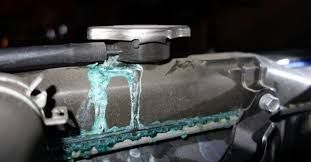
Warning signs include visible cracks, bulges, soft sections, hardened rubber, coolant residue, wet connections, damaged clamps, or a noticeable coolant smell.
A hose may also leak only when the cooling system becomes hot and pressurized. That means you may not see a puddle underneath the truck when the engine is cold.
Dried coolant residue around a connection can provide an important clue that a small leak is developing.
Drivers should also pay attention to unexplained coolant loss. If you repeatedly need to add coolant, the system should be inspected even if no obvious leak is visible.
Why a Small Coolant Hose Leak Can Become Serious
A minor seep may seem manageable, especially if the engine temperature remains normal. The danger is that a weakened hose can deteriorate rapidly.
A small crack can become a rupture under pressure. Once that happens, the cooling system may lose a large amount of coolant within minutes.
Without adequate coolant circulation, engine temperature can rise rapidly.
Severe overheating can damage gaskets, cylinder heads, and other expensive engine components. What began as a worn hose can therefore become a major engine repair if the truck continues operating.
Any active coolant leak deserves attention before a long haul.
Belt Tensioners and Pulleys Matter Too
Belts do not operate independently.
The tensioner keeps the correct amount of pressure on the belt, while pulleys guide it through its operating path. If either develops excessive movement or bearing wear, the belt can fail prematurely.
Possible signs include rattling, chirping, squealing, visible tensioner movement, or a belt that repeatedly moves out of position.
A damaged pulley bearing may also create resistance and heat.
When a belt fails unexpectedly, identifying why it failed is important. Installing another belt without checking the tensioner and pulleys may only provide a temporary solution.
How Colorado Driving Conditions Affect Belts and Hoses
Commercial trucks operating around Trinidad face conditions that can accelerate component wear.
Long climbs increase engine load and cooling demand. Mountain descents can create substantial under-hood heat. Winter temperatures make aging rubber less flexible, while summer heat places additional stress on the cooling system.
Large temperature changes also cause materials and connections to expand and contract.
Routes around Trinidad, Walsenburg, Raton Pass, and the I-25 corridor can place trucks under sustained load for long periods. A marginal hose or belt that survives lighter operation may fail during a difficult climb.
For trucks regularly operating in Southern Colorado, preventative inspection is much safer than waiting for symptoms to become severe.
How Should Drivers Inspect Belts During a Pre-Trip Check?
Only inspect engine components when it is safe to do so and the engine is shut down.
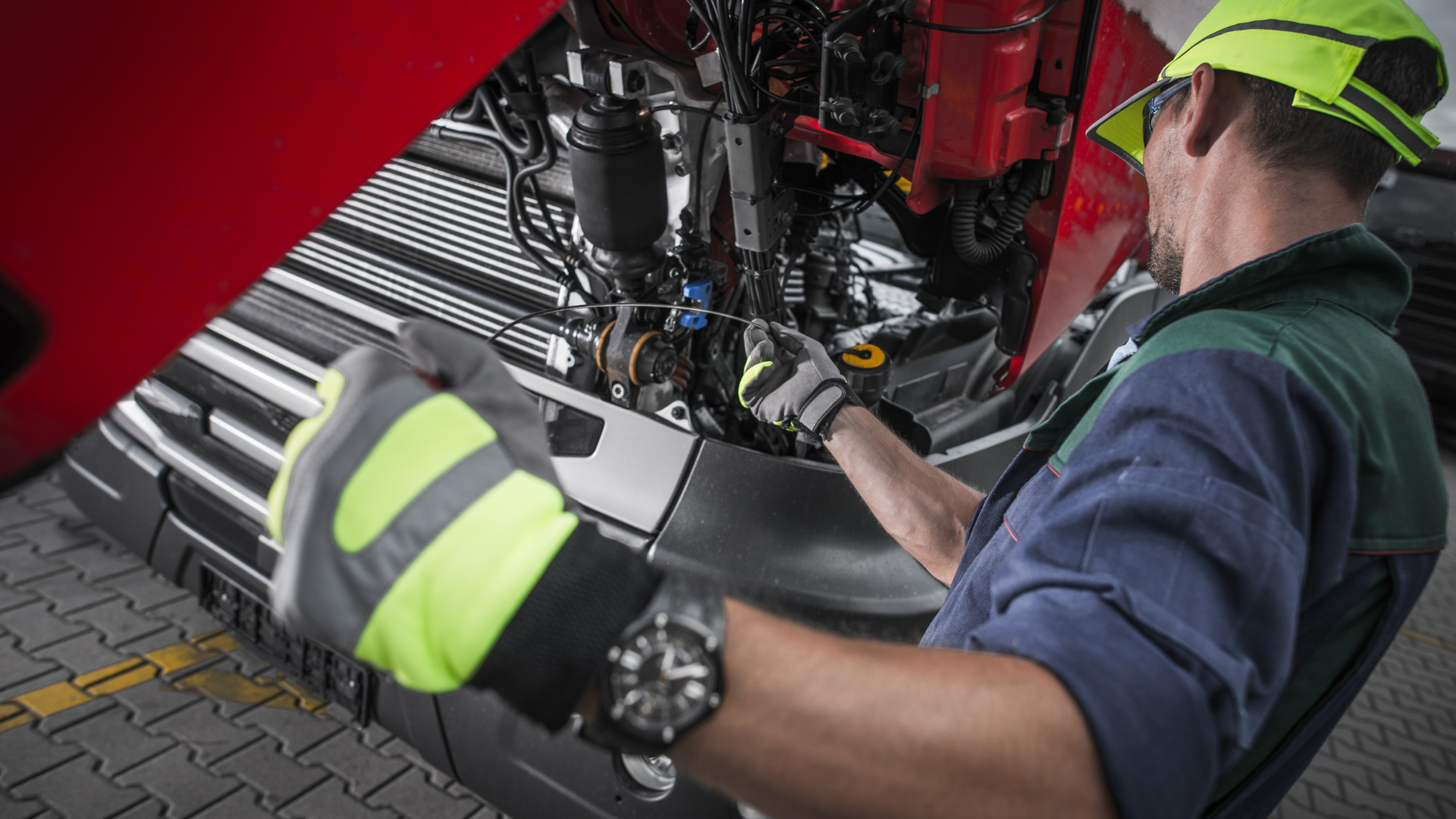
Look for obvious belt cracking, missing sections, fraying, contamination, and unusual wear. Check whether the belt appears properly positioned on the pulleys.
Do not place your hands near moving belts or pulleys while the engine is operating.
Drivers should also listen for new noises after startup. A squeal, chirp, or rhythmic belt sound that was not present previously deserves investigation.
Changes matter. Drivers who operate the same truck every day are often able to notice a developing problem before anyone else.
How Should Drivers Inspect Coolant Hoses?
Begin with a visual inspection when the engine is cool.
Look around hose connections for wet areas, staining, dried coolant residue, swelling, cracking, and damaged clamps. Inspect accessible sections of hose for obvious deterioration.
Never remove a radiator or coolant reservoir pressure cap while the system is hot. Pressurized hot coolant can cause serious burns.
If the coolant level is repeatedly dropping, do not assume topping it off is a permanent solution. The reason for the loss needs to be identified.
When Should You Stop Driving?
Certain symptoms justify stopping the truck rather than trying to reach the next destination.
Stop in a safe location if engine temperature rises rapidly, a coolant hose ruptures, coolant begins pouring from the engine compartment, the primary accessory belt breaks, or critical charging or cooling warnings appear.
Continuing to drive an overheating diesel engine can create much more damage than the original failure.
If you are unsure whether the truck can be driven safely, having the problem evaluated is the safer and often less expensive option.
How Can Belt and Hose Failures Be Prevented?
Preventative maintenance is the best defense.
Belts and hoses should be inspected during regular service rather than waiting for a specific mileage number to determine whether they are safe. Operating conditions, component quality, contamination, engine heat, and age all influence lifespan.
Drivers and fleet operators should pay particular attention to older hoses, belts contaminated by fluids, recurring coolant loss, abnormal belt noises, and components that have already experienced extreme heat.
Maintenance records can also help identify how long components have been in service.
If one aging hose fails, inspecting other hoses of similar age can help prevent the next breakdown.
Frequently Asked Questions About Diesel Truck Belts and Hoses
Can I drive a semi-truck with a squealing belt?
A brief noise does not always mean immediate failure, but persistent squealing can indicate belt slipping, tension problems, pulley wear, or contamination. It should be inspected before a long trip.
Why does my coolant hose keep leaking at the connection?
Possible causes include a damaged hose end, weak clamp, corroded fitting, excessive cooling system pressure, or improper installation. Repeatedly tightening the connection without identifying the cause may not solve the problem.
Should belts and hoses be replaced at the same time?
Not necessarily. Their condition should be evaluated individually. However, if several rubber components are similar in age and show deterioration, replacing more than one during scheduled maintenance may reduce future downtime.
Can a bad belt cause my truck to overheat?
It can on engines where the belt supports components necessary for cooling. Belt failure can also affect fan operation or other accessories depending on the engine design.
Can CCC Repair help with coolant leaks and related truck problems?
Yes. CCC Repair and Trucking provides commercial truck repair, truck and trailer repair, engine diagnostics, air and coolant leak service, brake service, electrical repair, tire repair or replacement, and replacement of available parts in stock.
Prevent a Small Component From Becoming a Major Breakdown
Belts and hoses are relatively simple components, but their failure can disable an entire commercial truck. Cracking, fraying, coolant residue, swelling, unusual noises, and unexplained fluid loss should never be dismissed as minor inconveniences.
Regular inspections are especially valuable for trucks operating through the demanding terrain and changing temperatures of Southern Colorado.
If you notice a failing belt, coolant leak, damaged hose, or another mechanical problem near Trinidad, CCC Repair and Trucking is available 24 hours a day, seven days a week to help diagnose the issue and get your equipment moving again.
CCC Repair and Trucking
9611 County Rd 20.8
Trinidad, CO 81082
Phone: 719-859-2111
Email:
castillof99@yahoo.com
Serving commercial drivers in Trinidad and surrounding Southern Colorado communities with 24/7 truck and trailer repair.