Fault Codes Read Before Any Part Gets Ordered
Truck Engine Diagnostics in Trinidad for commercial diesel trucks showing active or stored fault codes on the road
CCC Repair and Trucking runs engine diagnostics on commercial diesel trucks in Trinidad, connecting directly to the engine computer to read stored and active fault codes before any repair decision is made. Drivers hauling freight through southern Colorado often encounter a check engine light or derate condition miles from the nearest shop, and knowing what the code actually represents determines whether the truck can keep moving or needs immediate attention. The diagnostic process at CCC Repair and Trucking separates the code from the confirmed cause, so no part is ordered until the sensor or circuit behind the code is tested and verified.
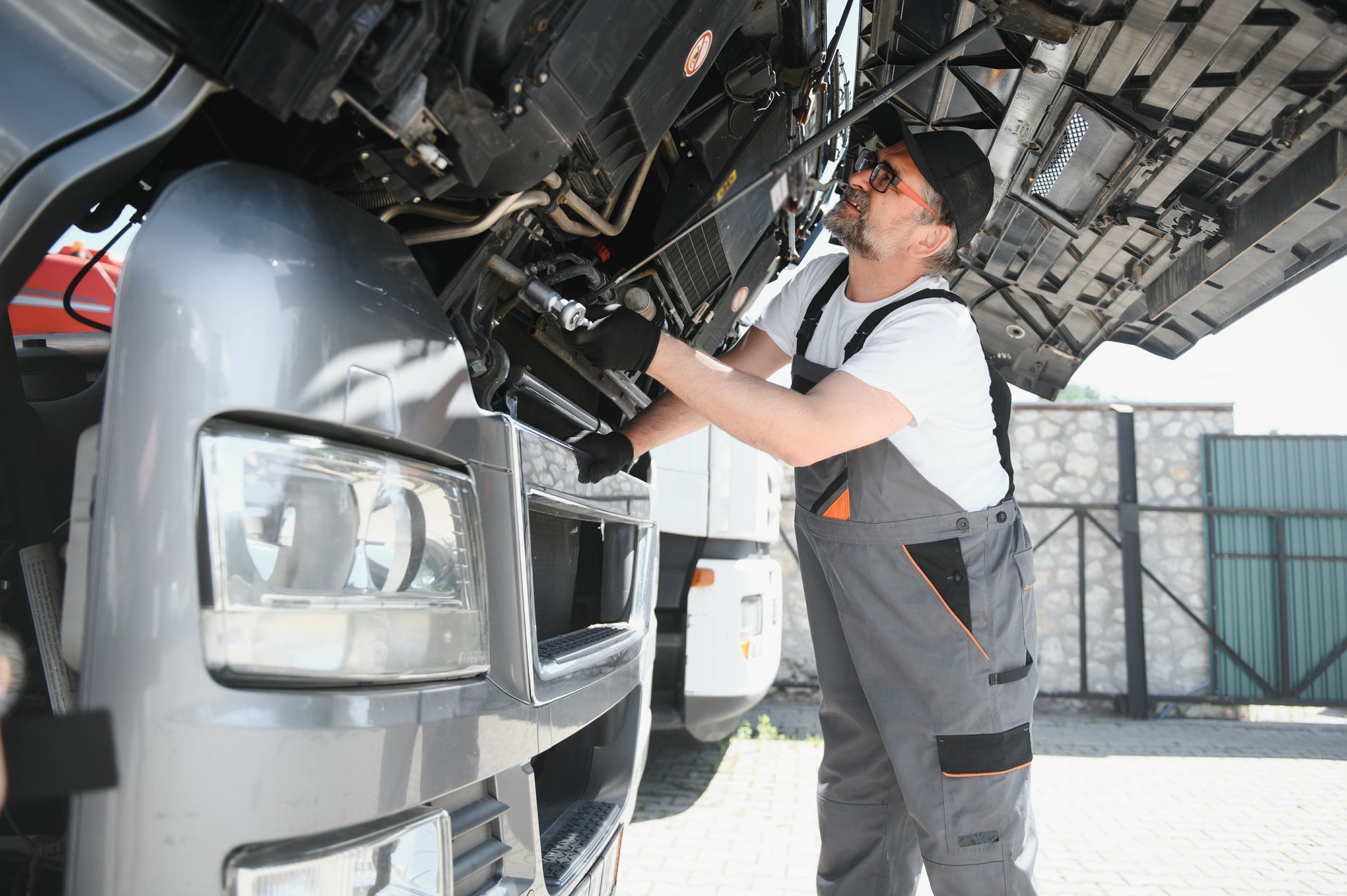
The process begins with a full scan tool connection to the engine management system, pulling both active faults and freeze-frame data that shows the operating conditions when the code was set. The crew then tests the specific sensor, wiring, or circuit behind that code rather than assuming the fault matches the component named. Modern diesel emissions systems on heavy commercial trucks carry multiple interdependent sensors, and a code pointing to a NOx sensor can originate from a failing DEF injector, a dosing pump, or a wiring harness issue—each requiring a different repair.
Arrange a diagnostic appointment with CCC Repair and Trucking to get a confirmed cause and a clear repair explanation before any work begins.
How Diagnostic Work Prevents Unnecessary Repairs
After the fault codes are pulled and documented, the technician traces each active code to its source through circuit testing and live data review. Freeze-frame data captured at the moment of fault is compared against current sensor readings to determine whether the condition is intermittent or continuous, which directly affects how the repair is structured. This step matters most on trucks with emissions aftertreatment systems, where a single unresolved code can trigger a progressive derate that limits engine power in stages.
Once the root cause is confirmed, the customer receives a plain-language explanation of what is failing, what the repair involves mechanically, and what parts are needed before any work proceeds. The visible result after a completed diagnostic and repair is a cleared fault history, restored engine power if a derate had engaged, and a scan that shows no active codes remaining. Trucks that had been running in reduced-power mode return to full rated output once the underlying condition is corrected and the system relearns.
Diagnostics are available both in the shop and roadside, which matters for trucks that cannot be moved without risking further damage. Commercial rigs crossing from Raton into Trinidad frequently set codes on the grade, and a roadside code read on the spot often determines whether a tow is actually necessary or whether the repair can be completed where the truck sits.
Common Questions About Diesel Engine Diagnostics
The questions below cover how diagnostic work is performed on commercial diesel trucks, what to expect during the process, and what the results actually tell you about the repair needed.
What does a diesel engine diagnostic actually involve beyond reading a code?
A scan tool pull retrieves fault codes, but the diagnostic work that follows involves testing the sensor, circuit, and related components behind that code using live data and wiring checks—because the code identifies a system flag, not necessarily the failed part.
How do technicians determine whether a fault code points to a sensor failure or a deeper mechanical issue?
Live data from the engine computer is compared against manufacturer specifications for that sensor's operating range, and if readings fall within spec, the circuit wiring and connectors are tested before the sensor itself is condemned.
What information should a driver have ready when calling about a fault code on the road?
The engine make and model, the visible dash warning lights, whether the truck is in a derate condition, and the location are the details that allow the crew to bring the correct scan tool interface and likely replacement components to the site.
Why do some fault codes return shortly after a repair if the part was replaced?
Codes that reappear after a part swap typically indicate the root cause was upstream of the replaced component—a common pattern on modern emissions systems where a dosing circuit fault causes secondary sensor codes that clear temporarily after a reset but return when the underlying condition persists.
What does a completed diagnostic tell you that a simple code reset does not?
A completed diagnostic confirms whether the fault condition still exists after testing, identifies the specific component or circuit responsible, and provides documentation of what was found—a reset without diagnosis only clears the light until the same operating condition sets the code again.
CCC Repair and Trucking also performs truck engine diagnostics in Walsenburg, Raton, La Junta, Pueblo, and Alamosa. If your truck is showing a fault code on or near Trinidad and you need a confirmed diagnosis before deciding on a repair, contact CCC Repair and Trucking at (719) 859-2111 to schedule a diagnostic or request roadside service.